

What Is the Difference Between Ultra-Low Temperature Freezing and Conventional Freezing?
Ultra low temperature freezing vs conventional freezing mainly differs in freezing speed, temperature range, and impact on food quality. Ultra-low systems freeze below -60°C for rapid preservation, while conventional freezing operates at -18°C to -35°C with slower performance.
Why Ultra Low Temperature Freezing Is Gaining Attention in the Food Industry
In today’s competitive frozen food market, product quality directly affects pricing and export competitiveness. According to insights from Statista, demand for premium frozen food products continues to grow globally, especially in seafood and ready meals.
Many processors using conventional freezing face:
- Texture degradation
- Moisture loss after thawing
- Reduced visual appeal
This is why ultra low temperature freezing is increasingly adopted in high-value sectors.
How Freezing Temperature Affects Ice Crystal Formation
The key scientific difference between ultra low temperature freezing vs conventional freezing lies in ice crystal formation.
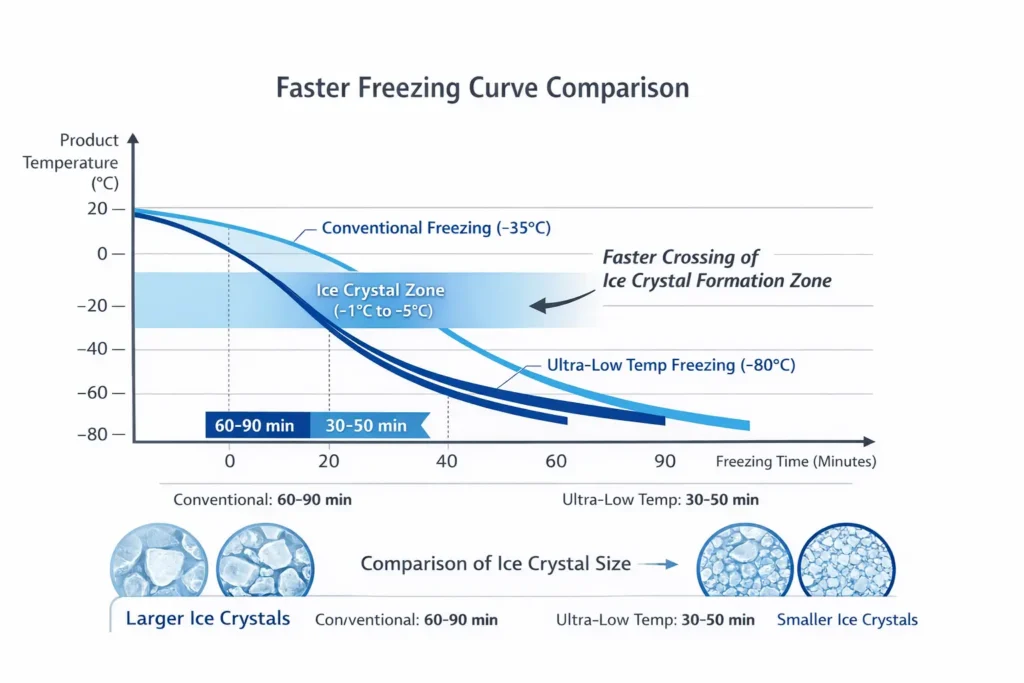
- Ultra-low freezing → rapid nucleation → small crystals
- Conventional freezing → slow process → large crystals
To understand the underlying science, research published on ScienceDirect explains how freezing rate directly impacts ice crystal size and cellular integrity.
Resulting Impact:
- Better texture retention
- Lower drip loss
- Improved product structure
For processors targeting premium markets, this difference can significantly affect profitability.
Equipment Comparison: Ultra-Low vs Conventional Freezing Systems
Ultra-Low Temperature Freezing Equipment
Industrial systems typically include:
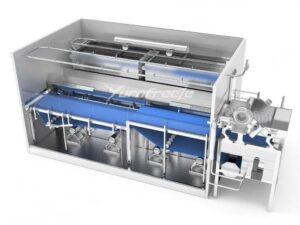
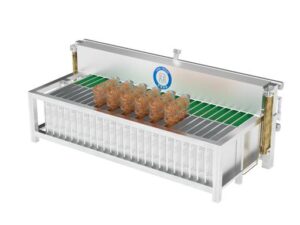
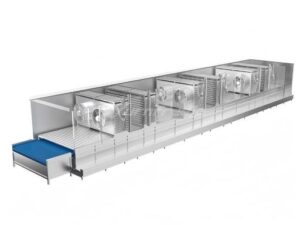
- High-performance tunnel freezers
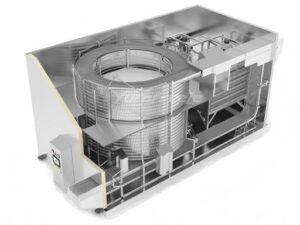
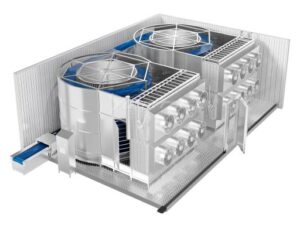
- Advanced spiral freezers with optimized airflow
- Cryogenic freezing systems
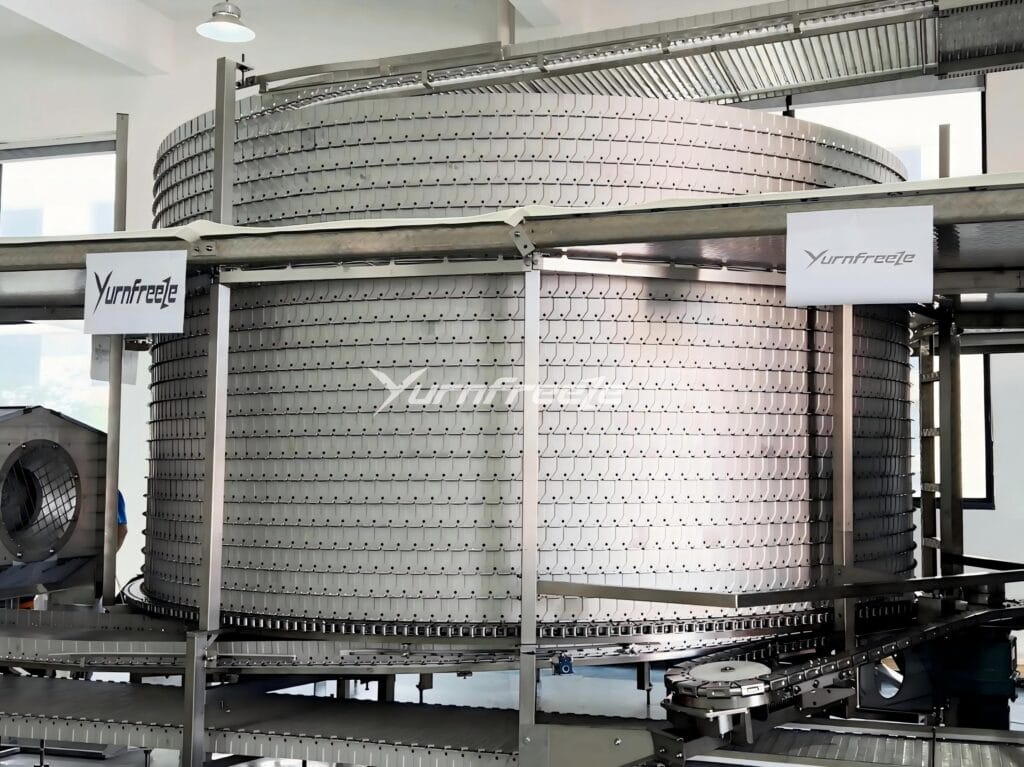
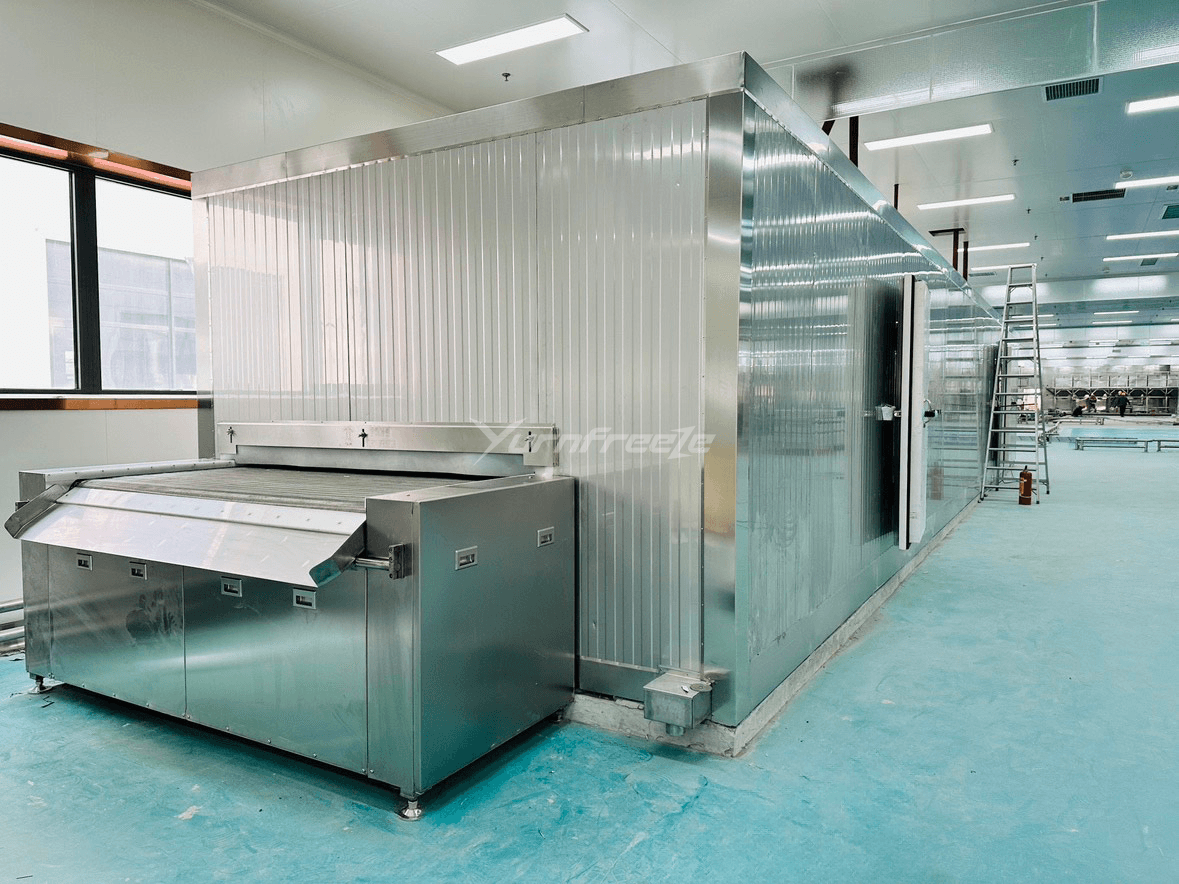
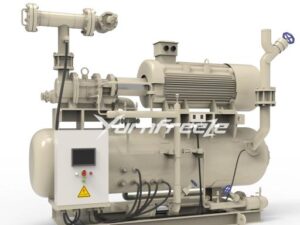
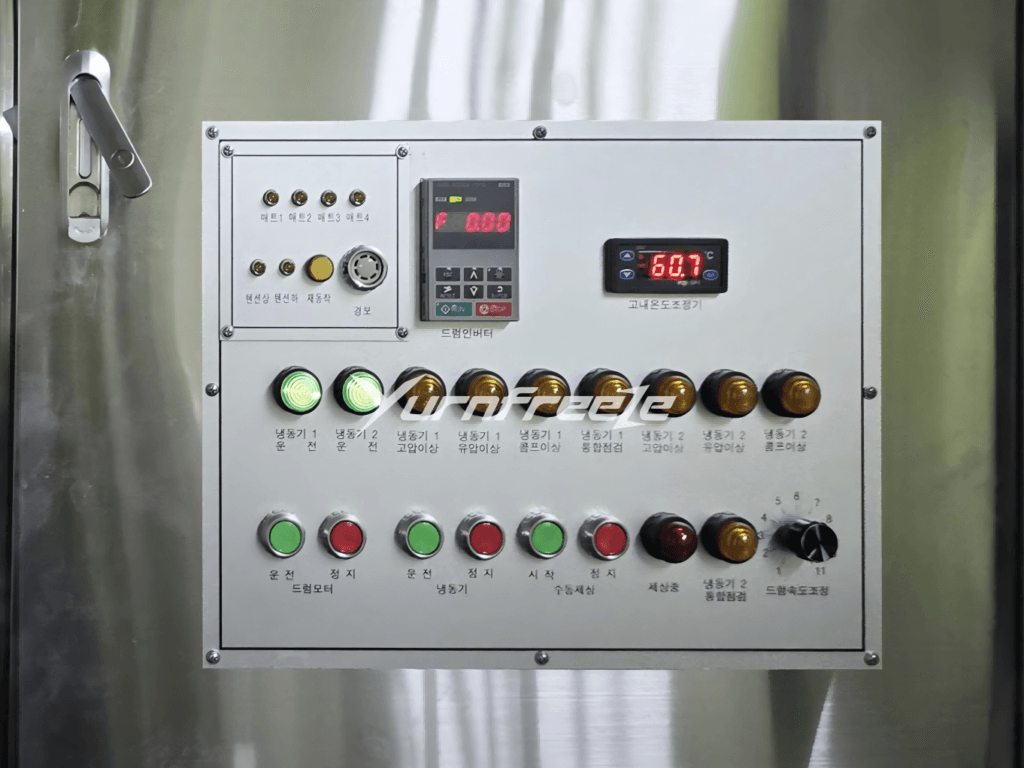
Yurnfreeze designs custom ultra low temperature freezing systems that maximize heat transfer efficiency and ensure uniform freezing across all products.
Conventional Freezing Equipment
Common systems include:
- Standard tunnel freezers
- Spiral freezers
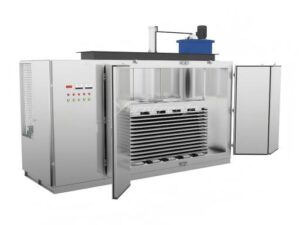
- Plate freezers
These systems remain widely used due to their lower cost and stable operation.
| Parameter | Ultra-Low Temperature Freezing | Conventional Freezing |
|---|---|---|
| Temperature | -60°C to -120°C | -18°C to -35°C |
| Freezing Speed | Very fast | Moderate |
| Ice Crystal Size | Small | Large |
| Product Quality | Premium | Standard |
| Moisture Loss | Low | Higher |
| Investment Cost | Higher | Lower |
How to Choose Between Ultra Low Temperature and Conventional Freezing?
From a business perspective, choosing between ultra low temperature freezing vs conventional freezing depends on your market positioning.
Ultra-Low Freezing Is Ideal For:
- Seafood exporters
- Premium frozen food brands
- High-margin products
Conventional Freezing Fits:
- Large-volume production
- Cost-sensitive markets
If you are planning to upgrade your freezing system, choosing the right technology can directly impact your product value and operational efficiency. To select the right solution, consider:
1. Product Type
Delicate products benefit more from ultra low temperature freezing.
2. Market Requirements
Export markets often require higher quality standards.
3. ROI Strategy
Higher upfront cost can lead to better long-term returns.