

When food processing companies look to reduce energy consumption, upgrading to more energy-efficient freezing equipment is often one of the first solutions they consider.
However, an industrial freezer does not operate independently. Its performance depends on the refrigeration capacity supplied by the entire refrigeration system, including compressors, condensers, evaporators, refrigerant distribution systems, and control systems.
Even if a freezer itself offers high energy efficiency, an improperly configured refrigeration system or one operating under suboptimal conditions can still result in high overall electricity consumption across the factory.
This raises an important question for food processors:
Should energy consumption be reduced by improving the efficiency of individual machines, or by optimizing the entire refrigeration system?
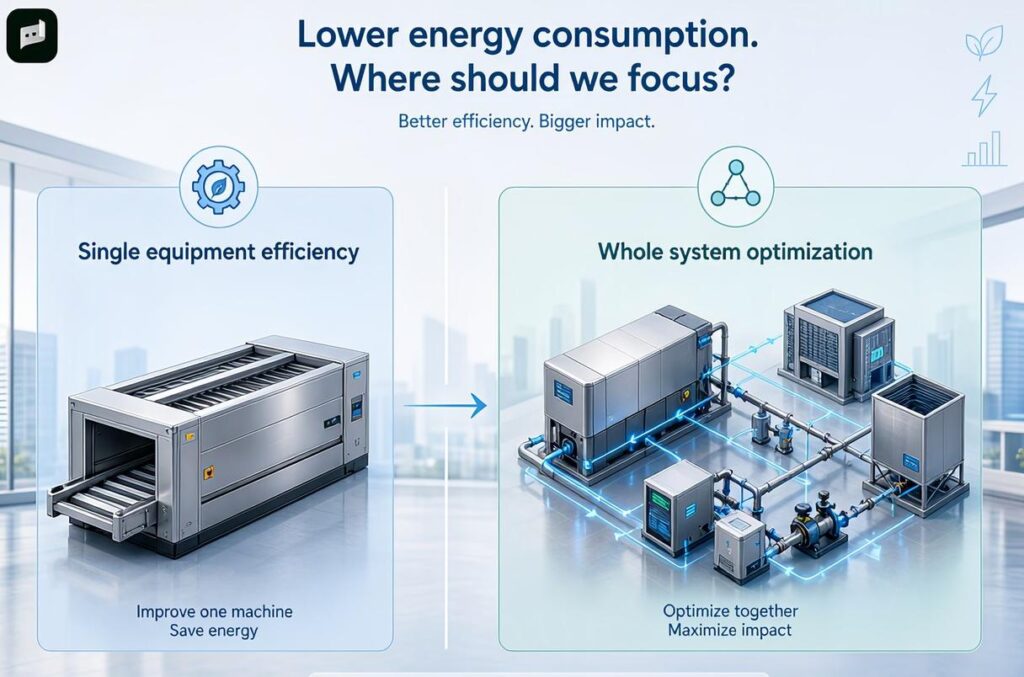
In practice, both approaches matter. However, over the long term, overall energy performance depends largely on how effectively the different components work together.
1. Individual Equipment Efficiency vs. Total System Efficiency
Equipment efficiency and system efficiency are closely related, but they are not the same.
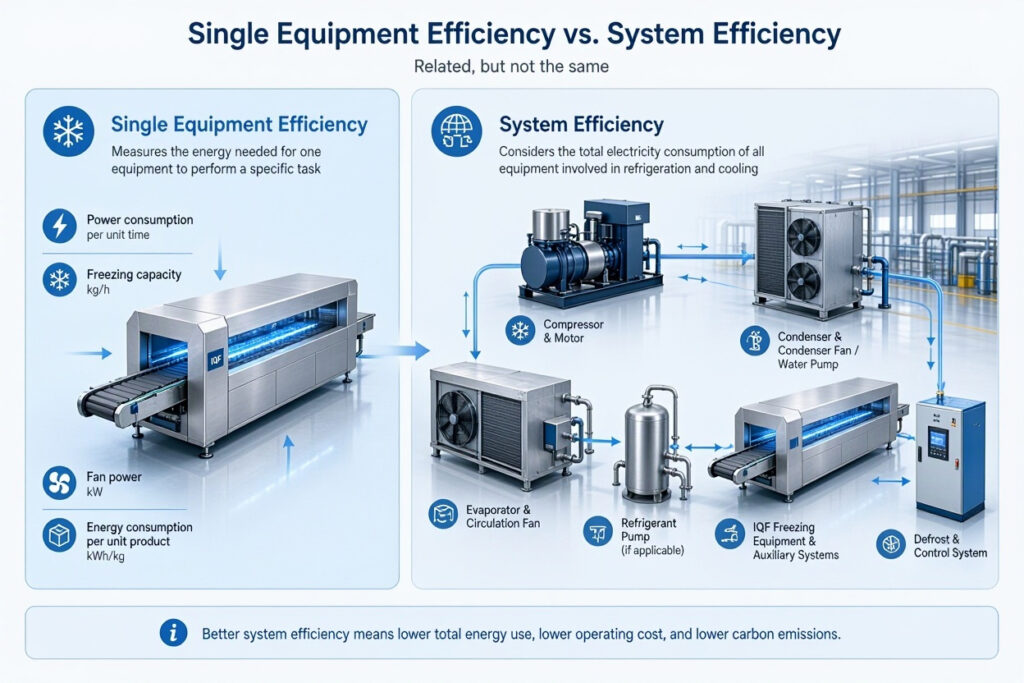
Individual equipment efficiency measures how much energy a particular machine requires to perform a specific task. For example, the efficiency of an IQF freezer can be evaluated using indicators such as electricity consumption per operating hour, freezing capacity, fan power, and energy consumption per kilogram of product.
By contrast, the efficiency of an entire refrigeration system must account for the combined electricity consumption of all equipment involved in refrigeration and cooling.
This typically includes:
- Compressors and their drive motors
- Condensers and condenser fans or cooling water pumps
- Evaporators and circulation fans
- Refrigerant pumps in applicable systems
- Freezing equipment and auxiliary systems
- Defrosting and control systems
This distinction is important because improving the efficiency of one component does not necessarily lead to an equivalent improvement in overall system efficiency.
For example, an IQF freezer may reduce its own electricity demand through optimized internal airflow channels and more efficient fans. However, if the refrigeration plant operates continuously at excessively low suction pressure or excessively high condensing pressure, the compressors may still consume substantial amounts of electricity.
The key principle: An energy-efficient machine is only one component of an efficient refrigeration system.
2. How Do Different Refrigeration Components Affect Each Other?
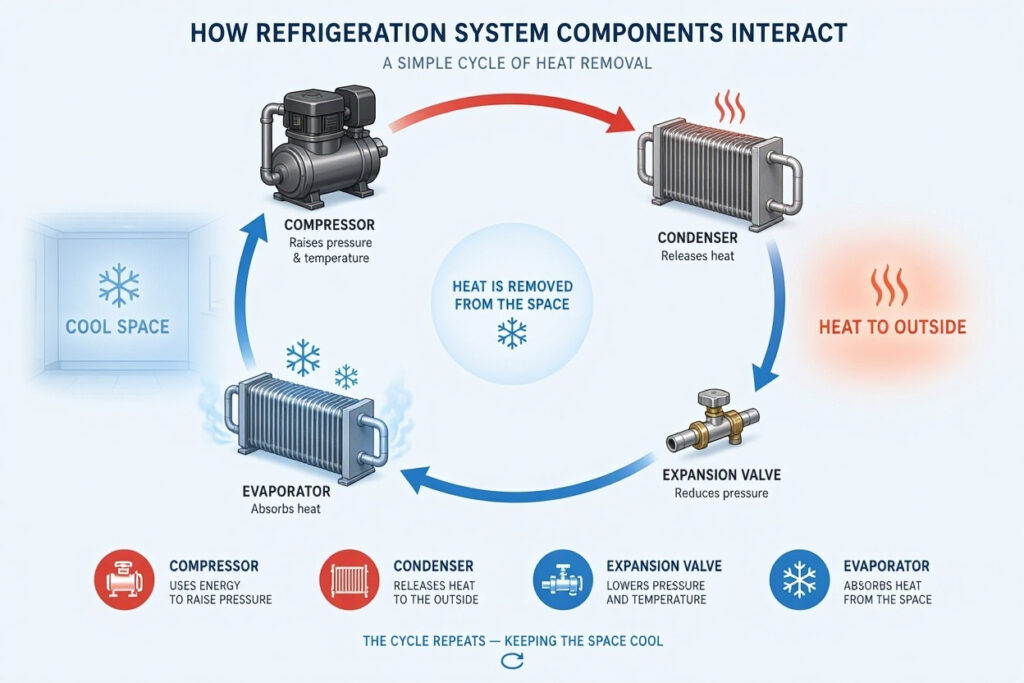
Industrial refrigeration systems operate through a continuous thermodynamic cycle involving heat absorption, compression, heat rejection, and refrigerant expansion. The operating conditions of one component can directly influence the workload of others.
A system-level approach is essential in industrial refrigeration because compressor performance, heat rejection, evaporator operation, and cooling demand are closely interconnected. The Good Practice Guide to Industrial Refrigeration published by New Zealand’s Energy Efficiency and Conservation Authority (EECA) provides practical guidance on improving refrigeration system design, operation, and energy performance.
2.1 Compressors: A Major Source of Energy Consumption

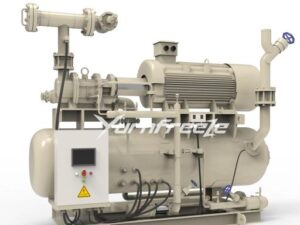
In many industrial refrigeration systems, compressors are among the largest electricity-consuming components.
Their energy consumption is influenced by several operating parameters, including:
- Evaporating temperature and suction pressure
- Condensing temperature and discharge pressure
- Actual refrigeration load
- Compressor capacity control and operating sequence
In general, a larger temperature difference between the evaporating and condensing temperatures increases the compression work required by the compressor.
For example, excessively low suction pressure forces the compressor to operate at a higher compression ratio to maintain the required refrigeration capacity.
Similarly, excessively high condensing pressure increases compressor workload and electricity consumption.
Therefore, compressor efficiency should not be evaluated independently of evaporator and condenser operating conditions.
2.2 Condensers: Determining the System’s Heat Rejection Performance
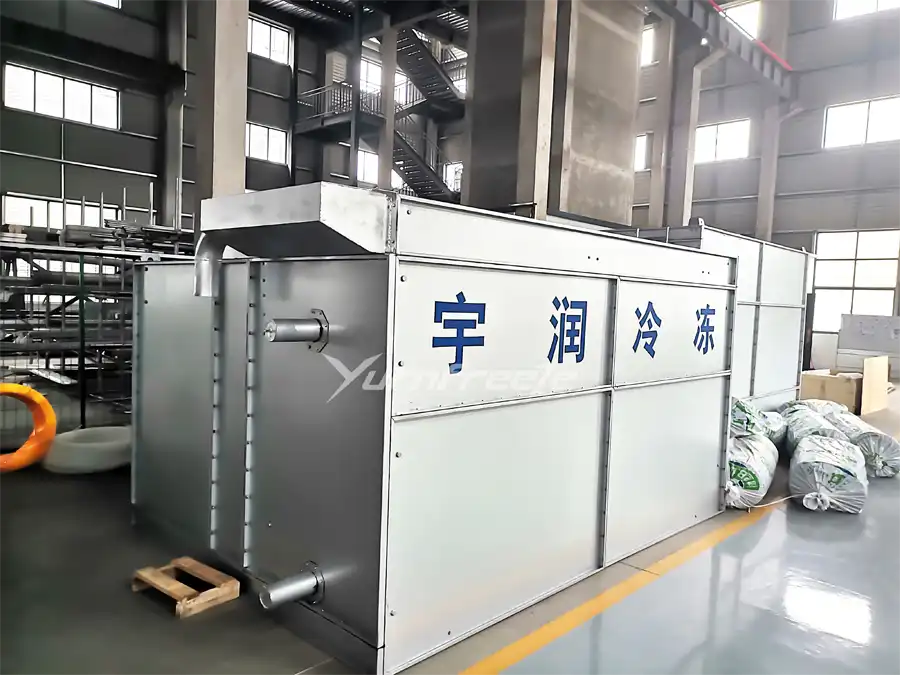
The condenser rejects heat absorbed from the food processing environment or products, together with the heat generated during the compression process.
When a condenser suffers from fouled heat transfer surfaces, insufficient airflow, inadequate water circulation, or other unfavorable operating conditions, condensing pressure may increase.
This, in turn, increases the workload of the compressors.
Maintaining clean heat transfer surfaces, ensuring adequate airflow or water flow, and controlling condensing pressure appropriately are therefore important aspects of refrigeration energy management.
Where ambient conditions permit, floating condensing pressure control can also help reduce unnecessary compressor energy consumption.
2.3 Evaporators: Matching Refrigeration Capacity to Actual Demand
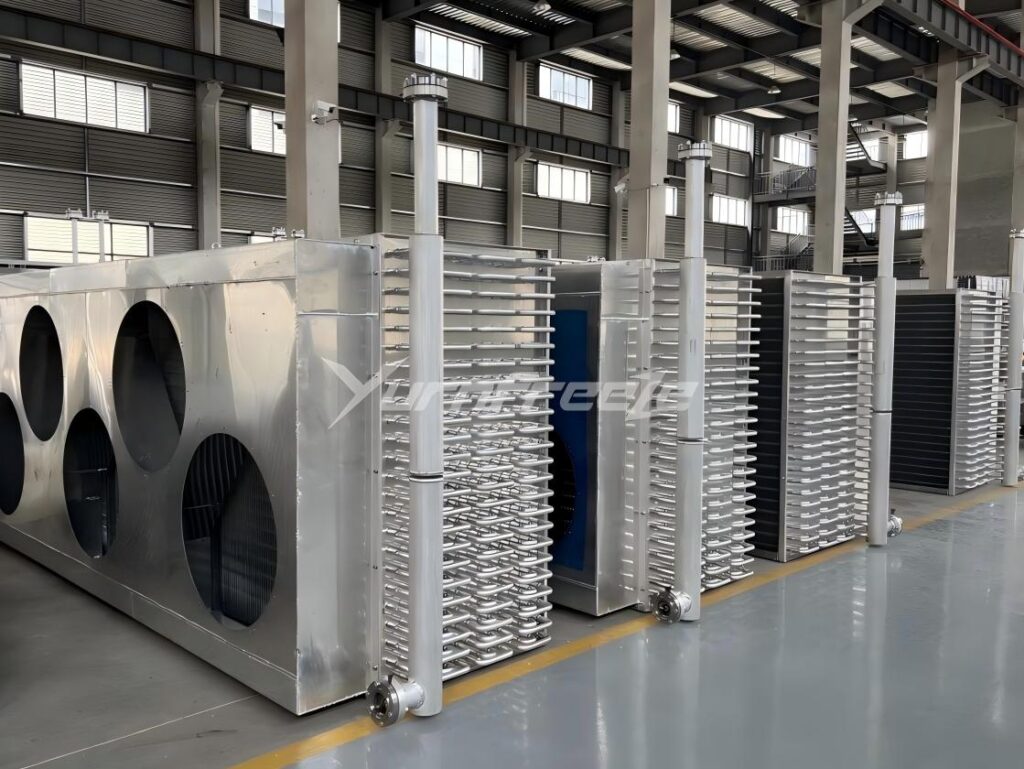
Evaporators absorb heat from the processing environment or products and transfer it to the refrigerant.
Their performance depends on factors such as heat transfer area, refrigerant distribution, airflow, frost accumulation, and operating temperature.
If an evaporator is undersized or inadequately maintained, it may struggle to meet the actual cooling load. This can potentially lead to lower suction pressure, longer operating periods, or more frequent defrost cycles.
On the other hand, excessive airflow or unnecessarily low evaporating temperatures may increase electricity consumption without delivering a meaningful improvement in product quality or production efficiency.
The objective of evaporator optimization is therefore not simply to maximize refrigeration capacity, but to achieve the required heat transfer performance under appropriate operating conditions.
3. Why Do Changes in Refrigeration Load Affect System Efficiency?
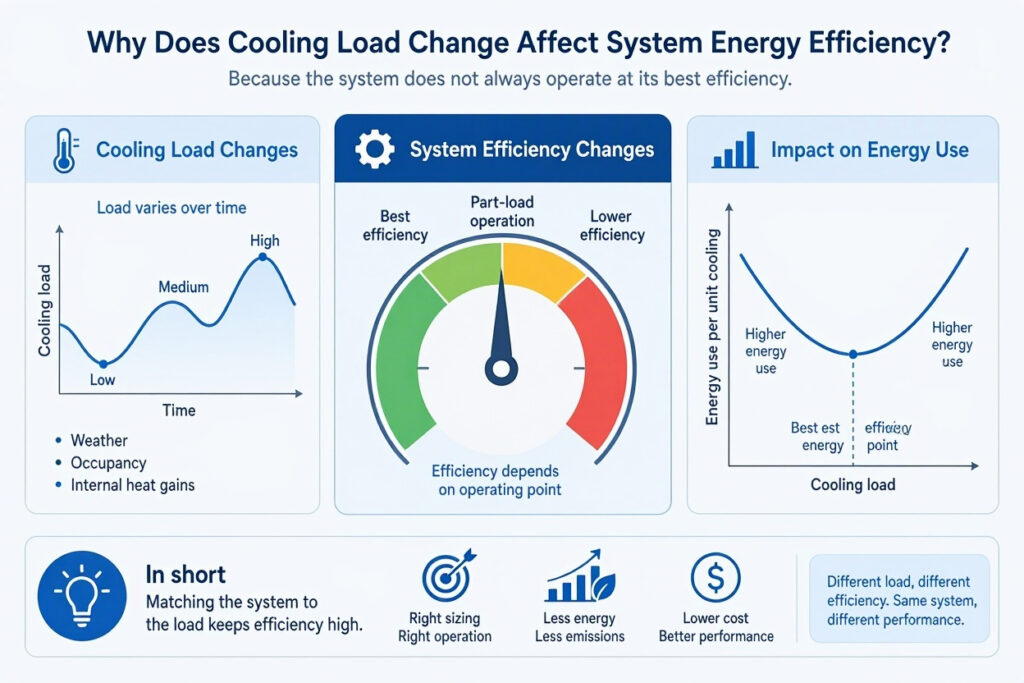
One issue that food factories often overlook is that production demand is not constant.
Different production shifts, product types, incoming product temperatures, processing speeds, cleaning schedules, and seasonal ambient conditions can all affect the actual refrigeration load.
Consider a food factory equipped with an IQF freezer.
Even when processing 1,000 kg of product per hour, the refrigeration capacity required for freezing vegetables may differ significantly from that required for meat or prepared food products.
Even at the same throughput, differences in initial product temperature, product dimensions, moisture content, and target core temperature can change the actual freezing load.
If the refrigeration plant is always configured and controlled to meet maximum production demand, operating efficiency may decline when production volume decreases.
Common situations include:
- Compressors operating continuously outside their most efficient operating range
- Multiple compressors running simultaneously when the actual load does not require their combined capacity
- Condenser fans and water pumps consuming more power than necessary
- Evaporator fans maintaining relatively high power consumption under low-load conditions
- Fixed defrost schedules that do not reflect actual frost accumulation
Variable-speed drives, staged compressor operation, capacity control, and demand-based defrosting can help adjust energy consumption according to actual production requirements.
However, these measures need to be coordinated across the entire system. Adjusting only one piece of equipment without considering the operating conditions of other components may simply shift energy consumption to another part of the system.
4. How Does Freezer Design Affect the Entire Refrigeration System?
Freezing equipment is an important part of a food factory’s refrigeration system. Its structural design directly affects heat transfer conditions, airflow requirements, and actual operating characteristics.
Different types of industrial freezers use different freezing methods and have distinct operating requirements.
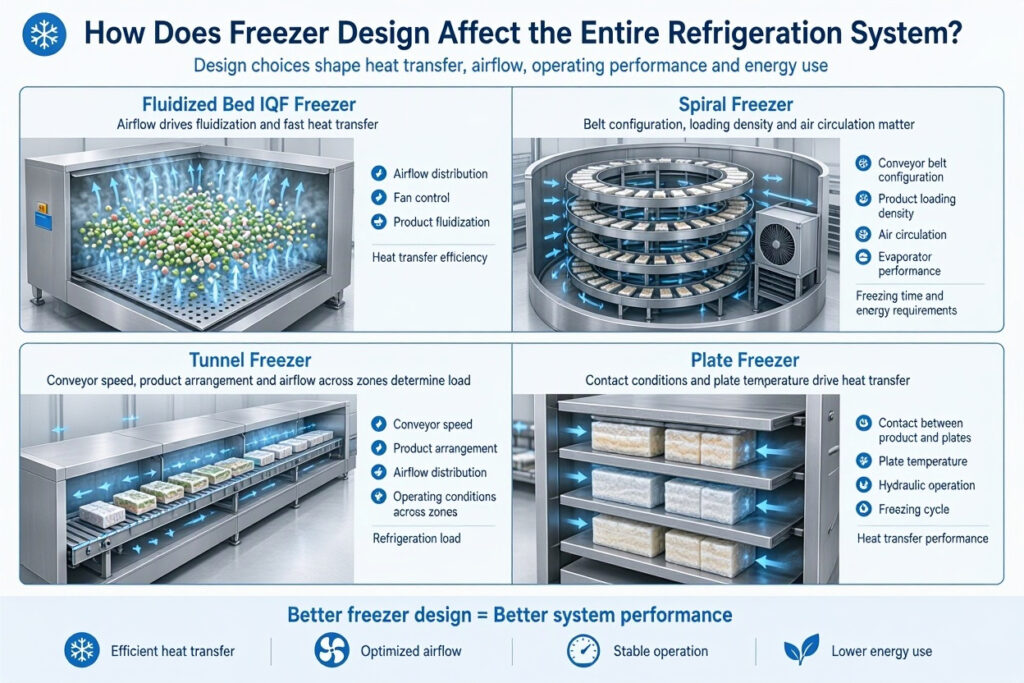
For example:
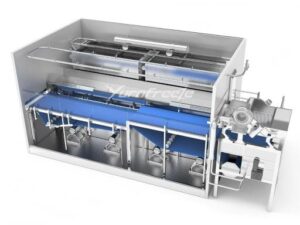
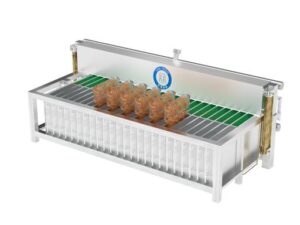
Fluidized Bed IQF Freezers: Airflow distribution and fan control influence product fluidization and heat transfer efficiency.
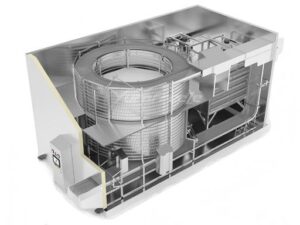
Spiral Freezers: Conveyor belt configuration, product loading density, air circulation, and evaporator performance all affect freezing time and energy requirements.
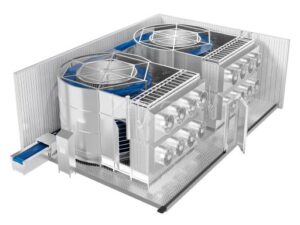
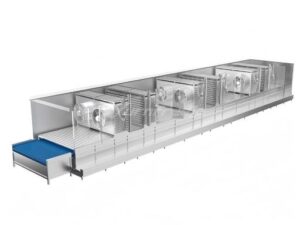
Tunnel Freezers: Conveyor speed, product arrangement, airflow distribution, and operating conditions across different freezing zones collectively determine the required refrigeration load.
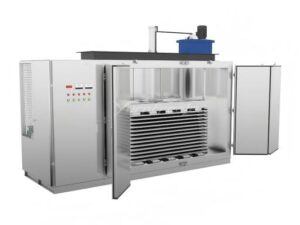
Plate Freezers: Contact conditions between the product and freezing plates, plate temperature, hydraulic operation, and freezing cycle determine heat transfer performance.
If freezing equipment is not properly matched to the product type, processing capacity, or target freezing time, additional refrigeration demand may arise.
Equipment selection should therefore not rely solely on rated throughput or the energy consumption figures listed in an individual machine’s specification sheet. Product characteristics, freezing requirements, airflow distribution, and actual operating conditions must all be considered.
These factors affect not only the performance of the freezer itself, but also how effectively it integrates with the food factory’s existing refrigeration infrastructure.
5. How Can Food Factories Optimize Their Refrigeration Systems Step by Step?
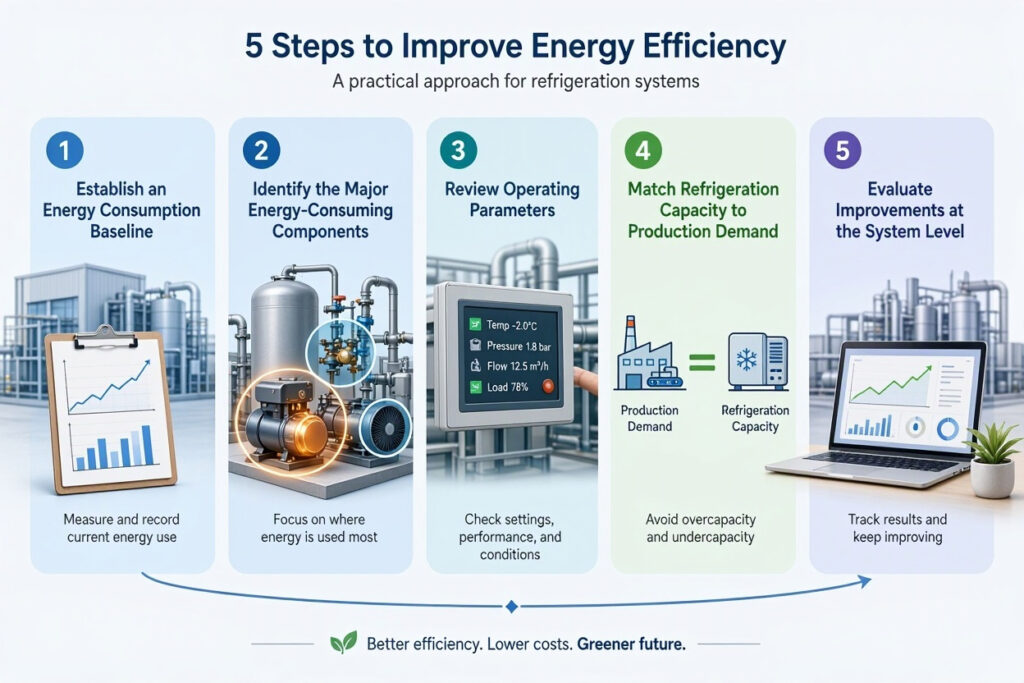
Improving refrigeration system efficiency does not necessarily require replacing the entire refrigeration plant.
A systematic assessment can help companies identify the areas with the greatest potential for improvement. A structured commissioning and performance evaluation process can also reveal operational inefficiencies and verify whether refrigeration equipment performs as intended.
The ASHRAE Refrigeration Commissioning Guide provides additional technical guidance on refrigeration system commissioning and performance management.
Step 1: Establish an Energy Consumption Baseline
Collect electricity consumption, production output, operating hours, and refrigeration system operating parameters over representative production periods.
Step 2: Identify the Major Energy-Consuming Components
Where measurement conditions permit, separately monitor the electricity consumption of compressors, condensers, evaporators, freezers, and auxiliary equipment.
Step 3: Review Operating Parameters
Focus on suction pressure, condensing pressure, compressor operating sequences, evaporator performance, air circulation, and defrost settings.
Step 4: Match Refrigeration Capacity to Production Demand
Evaluate whether compressors, fans, pumps, and freezing equipment can adjust their operating conditions according to actual production requirements.
Step 5: Evaluate Improvements at the System Level
Assess how improvement measures affect total electricity consumption, production capacity, product quality, maintenance requirements, and operating costs.
This approach helps prevent situations where upgrading one machine improves its individual performance but creates new operational problems elsewhere in the system.
As an industrial freezing equipment manufacturer serving food processing facilities worldwide, Yurnfreeze has engineering experience across a range of applications, including fruit IQF processing, continuous meat freezing, prepared food production, and seafood processing. Its project references include C.P. Vietnam, part of CP Group, Grupo La Calera, a major fruit processing company in Peru, Kerry Foods, and CPF.
Because food factories differ significantly in their production processes and freezing requirements, Yurnfreeze’s freezer engineering approach considers more than rated throughput or minimum operating temperature. Key factors include product type, initial product temperature, freezing time, target core temperature, production cycle, and the factory’s existing refrigeration conditions.
For new equipment selection, production line expansion, or the replacement of aging equipment, matching the freezer’s refrigeration capacity to the actual production load is an important part of the technical evaluation.
Conclusion
The energy efficiency of an industrial refrigeration system cannot be determined solely by the performance of individual machines.
Efficient compressors, condensers, evaporators, and freezers can all contribute to reducing energy consumption. However, the final result depends on how effectively these components operate together under actual production conditions.
For food processing companies, a more meaningful objective is to reduce the electricity required per kilogram of finished product while maintaining freezing performance, product quality, and production stability.
Moving from an equipment-level perspective to a system-level approach is an important shift in how food factories should evaluate industrial refrigeration investments.
True energy efficiency is not simply about how efficiently one machine operates, but how much energy the entire system requires to complete the required production task.
FAQs
1. Why Doesn’t an Energy-Efficient Freezer Necessarily Reduce a Factory’s Overall Energy Consumption?
An energy-efficient freezer can reduce the electricity consumed by the machine itself. However, a factory’s total energy consumption also depends on the performance of compressors, condensers, evaporators, refrigerant pumps, and auxiliary systems. If these components operate inefficiently or are poorly matched to the freezer’s refrigeration requirements, overall factory energy consumption may remain high even after the freezer’s efficiency improves.
2. Which Equipment Consumes the Most Energy in an Industrial Refrigeration System?
Compressors are typically among the largest electricity-consuming components in industrial refrigeration systems because they provide the mechanical work required to circulate and compress the refrigerant. However, the actual distribution of energy consumption depends on system design, refrigeration load, operating temperatures, and equipment configuration. Condenser fans, evaporator fans, water pumps, and other auxiliary equipment also contribute to total electricity consumption.
3. How Do Compressors, Condensers, and Evaporators Affect Refrigeration System Efficiency?
These three components work together to maintain the refrigeration cycle. Compressors compress and circulate the refrigerant, condensers reject heat from the system, and evaporators absorb heat during the freezing process. Poor condenser heat transfer performance may increase condensing pressure, while insufficient evaporator capacity may reduce suction pressure. Both conditions can increase compressor electricity consumption and reduce overall system efficiency.
4. How Do Changes in Production Load Affect Energy Consumption in Industrial Refrigeration Systems?
Changes in processing volume, product type, incoming product temperature, and freezing requirements directly affect refrigeration demand. If the refrigeration system continues operating at full capacity after production volume decreases, unnecessary energy consumption may occur. Variable-speed drives, staged compressor operation, and demand-based capacity control can help align system operation with actual production requirements.