

(Horizontal & Vertical Plate Freezer Selection Guide)
Choosing the right plate freezer is not only essential for freezing efficiency but also has a direct impact on product quality, energy consumption, production efficiency, and long-term operating costs. For food processing manufacturers, equipment selection should be based on product characteristics, capacity requirements, and production environment—not just price alone.
This guide explains seven key selection criteria and the most suitable applications for different types of plate freezers, helping you identify the optimal freezing solution for your production line.
1. Seven Key Factors to Consider When Buying a Plate Freezer
(1)Refrigeration Capacity and Freezing Uniformity
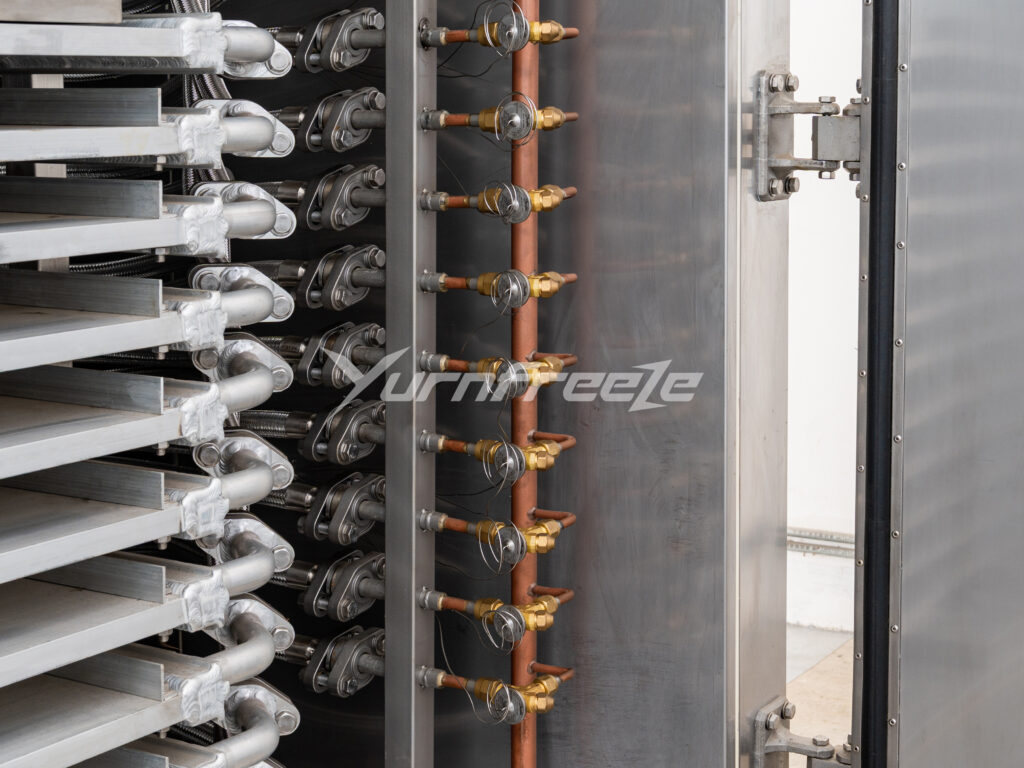
Industry Benchmark:The surface temperature of the freezing plates should remain stable between -38°C and -42°C, with consistent temperature distribution across the entire plate and no significant temperature differences.
Yurnfreeze Standard:To completely eliminate temperature differences, Yurnfreeze reasonably configures the thermostatic expansion valve(TXV) and refrigerant supply circuit according to the plate specifications, refrigerant flow rate, and system design, ensuring simultaneous freezing of the entire batch without any variation in product quality.
(2) Capacity Specification and Spatial Suitability – How to Accurately Calculate Your ROI (Return on Investment)
Capacity Calculation:Required Capacity Per Batch = Daily Production Volume ÷ Daily Turnover Batches.It is recommended to reserve an additional 10%–15% capacity to accommodate future production growth and order fluctuations.
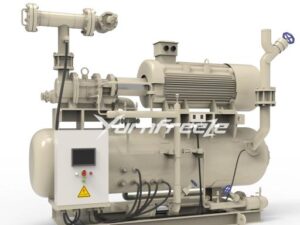
Space Optimization:For land-based food processing plants, a Contact Plate Freezer with refrigeration system is generally the preferred solution. The equipment integrates an insulation cabinet and refrigeration system into one unit, eliminating the need to construct a separate cold room. It can be installed directly in a standard production workshop with only a power supply, significantly reducing plant space requirements.
(3)Construction Materials and Food Safety Compliance (HACCP & FDA)
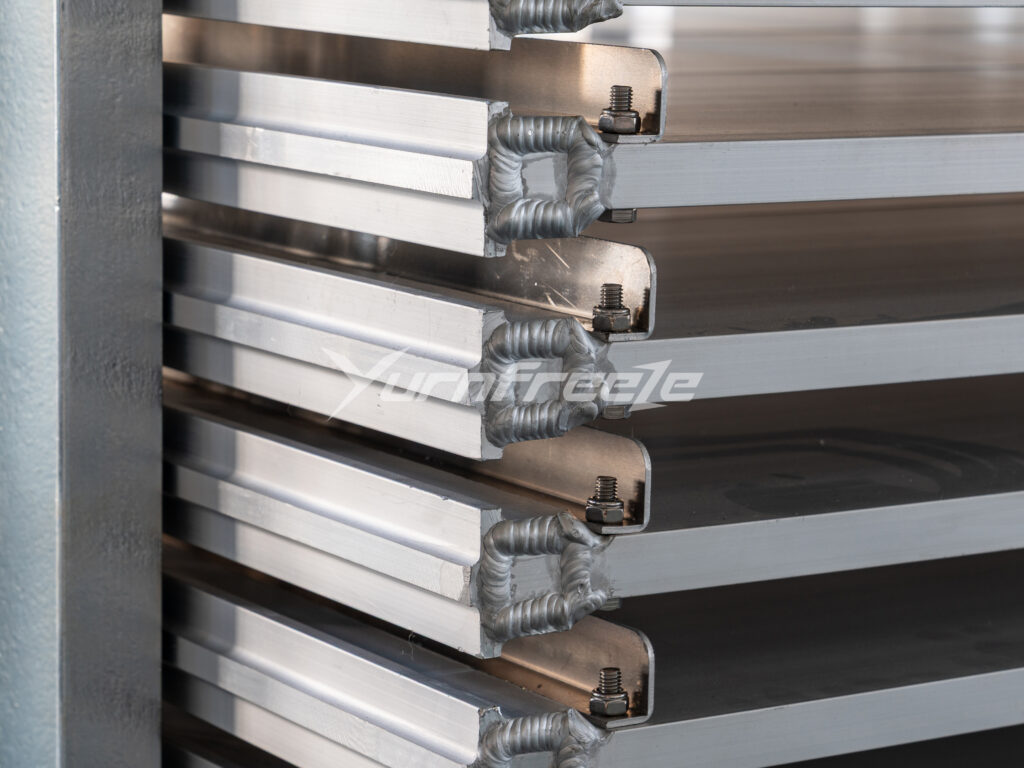
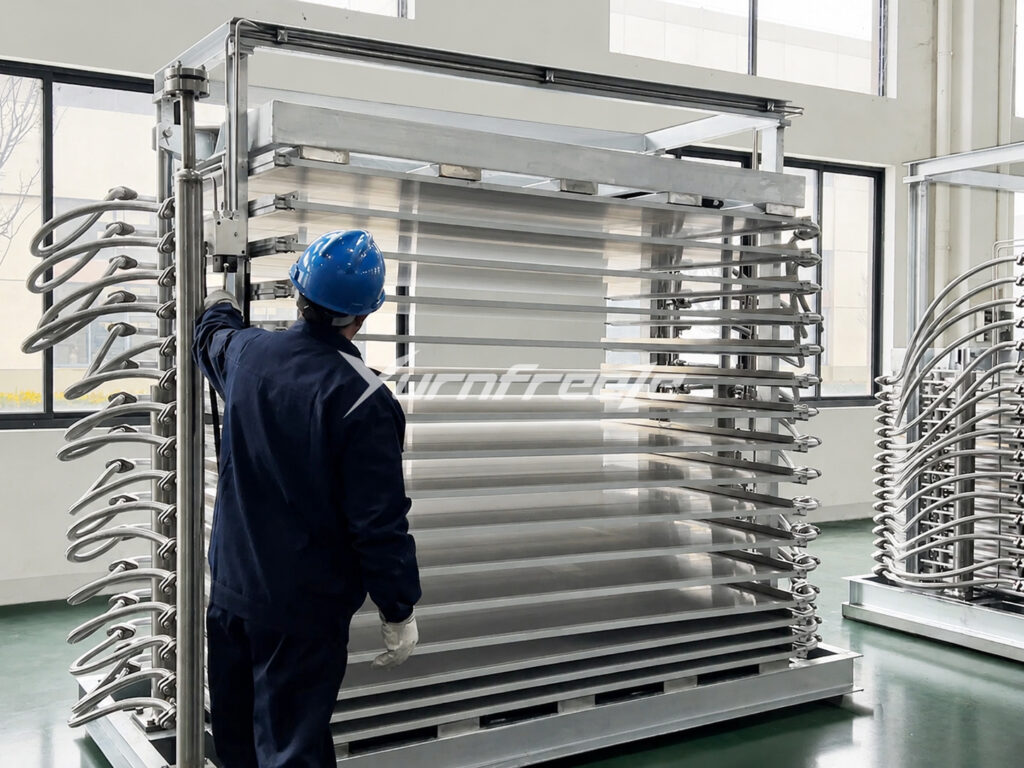
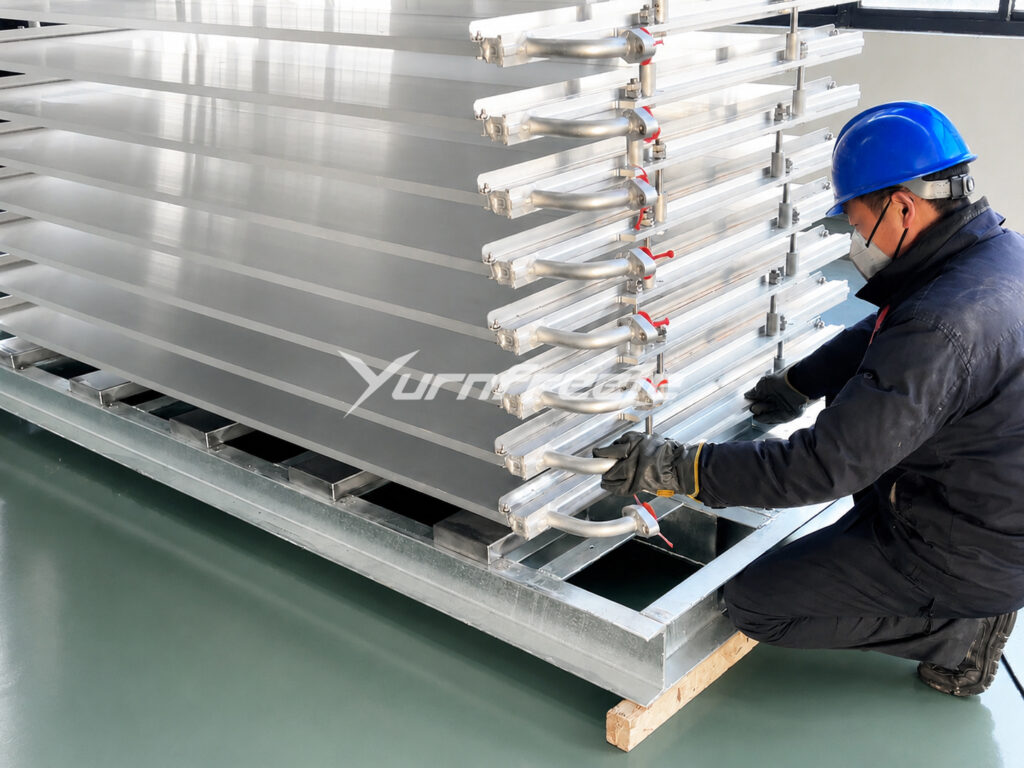
Industry Standard:The inner and outer panels must be made of food-grade SUS304 stainless steel.The insulation layer should use high-density polyurethane foam (closed-cell ratio ≥ 90%).The freezing plates should be made from high-purity aluminum alloy with a thermal conductivity of at least 160 W/(m·K).
Avoid Low-Quality Materials:Avoid equipment made from SUS201 stainless steel. In high-salinity environments such as seafood processing plants, SUS201 is prone to corrosion and rust within a relatively short period.All Yurnfreeze plate freezers are manufactured in compliance with HACCP and FDA food-contact requirements.
(4)Drive System and Operational Stability
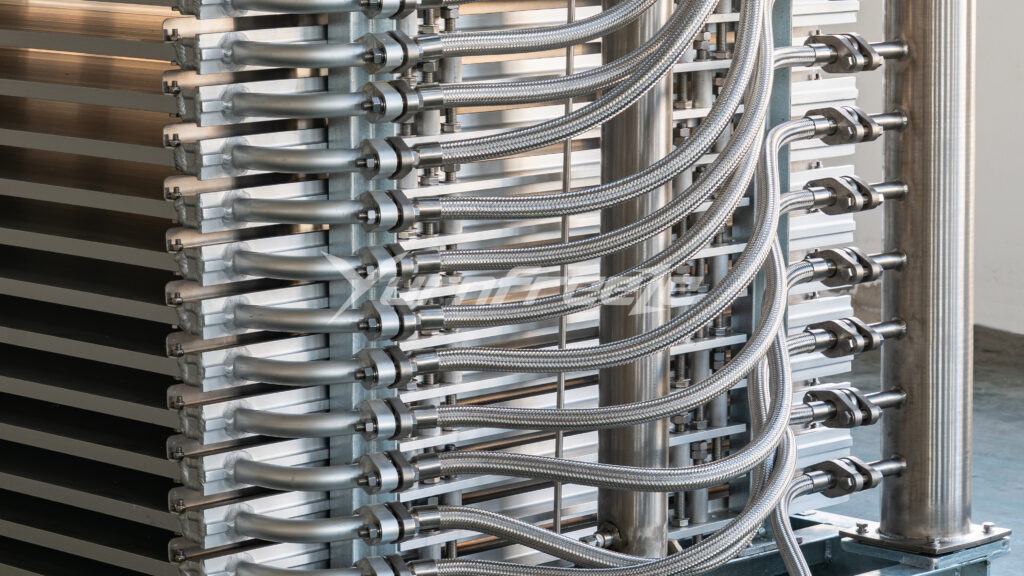
Mechanical Design Benchmark:The drive system is the core moving component of a plate freezer. Its long-term stability depends primarily on frame rigidity, guide accuracy, and sealing quality, rather than simply the number of hydraulic cylinders.For standard production capacities, a single-cylinder hydraulic design is fully capable of delivering reliable performance. For extra-wide or high-capacity models, a synchronized multi-cylinder system is recommended.
Leading international manufacturers such as DSI Plate Freezer and Optimar Plate Freezer also adopt different drive configurations for different equipment specifications. Therefore, the drive system should be evaluated according to actual operating conditions instead of comparing the number of hydraulic cylinders alone.
Stability Comparison:Low-cost, low-specification models often use thinner machine frames and have insufficient machining precision, making them prone to freezing plate misalignment, seal wear, and hydraulic oil leakage after long-term operation. Yurnfreeze’s optimized drive system ensures smooth operation without uneven loading. Under proper operation and regular maintenance, the equipment can achieve a service life of more than 20 years.
(5)Long-Term Operating Costs: Energy Efficiency and Product Weight Loss (Plate Freezer vs. Spiral & Tunnel Freezers)
Energy Efficiency:Under the same production capacity, a plate freezer typically consumes 20%–35% less electricity than a spiral freezer or tunnel freezer. At the same time, it can keep freezing weight loss (moisture loss) below 1%, helping preserve product yield and quality.
Further Energy Savings:Yurnfreeze’s Roll-up Door Plate Freezer features a high-speed insulated roll-up door that opens and closes rapidly during batch loading and unloading. Compared with conventional swing doors, it significantly reduces cold air loss while the door is open, resulting in noticeably lower overall energy consumption than the industry average.
(6)Ease of Cleaning and Maintenance
Hygienic Design:The freezer chamber should feature smooth internal surfaces with no hygienic dead zones, allowing direct cleaning with a high-pressure water jet.
Unlike conveyor-based freezing systems, plate freezers contain no complex conveyor belts or transmission mechanisms, resulting in virtually no maintenance costs.
(7) Custom Engineering Capability
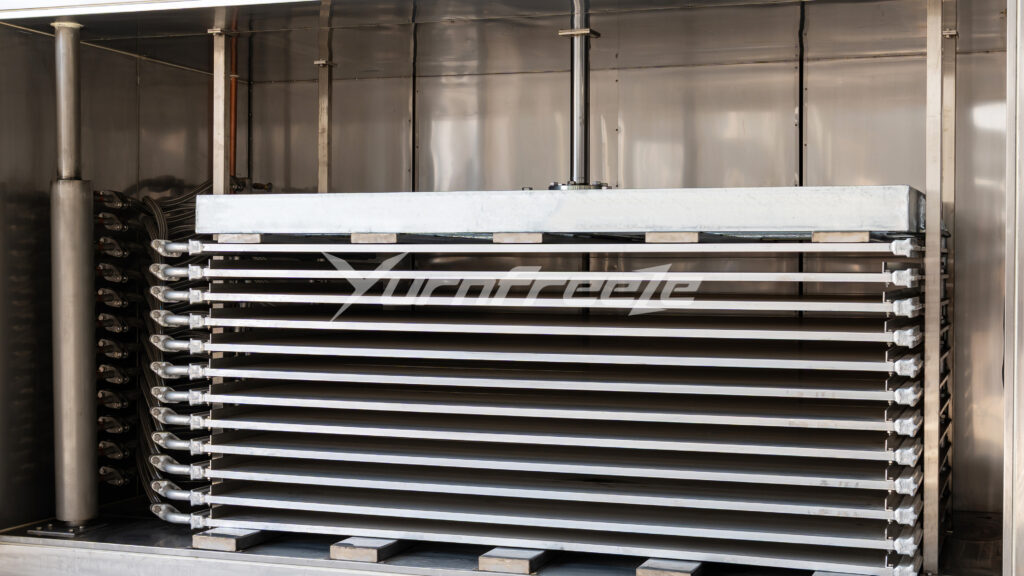
Evaluation Criteria:A qualified manufacturer should provide comprehensivenon-standard customization capabilities, allowing the plate size, number of freezing plates, plate spacing, and refrigeration system to be customized according to product specifications, production capacity, and on-site operating conditions.
When evaluating suppliers, priority should be given to refrigeration performance, material quality, manufacturing craftsmanship, automation compatibility, hygienic design, and after-sales technical support. These factors should be assessed together with internationally recognized application standards to ensure the most suitable equipment selection.
Yurnfreeze Non-standard Customization Capability:Yurnfreeze can provide replacement or upgrade solutions based on customers’ existing production lines, including internationally recognized brands such as DSI Plate Freezer, Carsoe Plate Freezer, Optimar Plate Freezer, and Jackstone Contact Plate Freezer.
We also offer fully customized engineering solutions based on product dimensions, freezing capacity, automation requirements, refrigeration systems, and on-site installation conditions, helping customers minimize production line upgrade costs.
Backed by extensive international project experience, remote technical support, and a comprehensive spare parts service network, Yurnfreeze helps customers upgrade their production lines with shorter delivery times and lower total project costs while maintaining excellent freezing performance and production efficiency. We are one of the few Chinese manufacturers with independent R&D capabilities that consistently benchmark against leading European and North American manufacturing standards for plate freezing technology.
Warm Reminder:Please note that the Jackstone Contact Plate Freezer referenced here refers to the Discontinued Frigoscandia Jackstone Contact Plate Freezer, not the current Frigoscandia FPF Flat Product Freezer marketed by JBT/Marel.
The newer FPF model uses IQF airflow freezing technology rather than the contact freezing principle discussed in this article. If your application requires replacing this equipment, Yurnfreeze can provide suitable alternatives, including Self-Stacking Spiral Freezers and Impingement Tunnel Freezers. For specific models and custom solutions, please refer to the official Yurnfreeze website.
2. Plate Freezer Selection Guide by Application
After evaluating the seven key selection criteria above, you can choose the most suitable Yurnfreeze Plate Freezer based on your product type, production process, and level of automation.
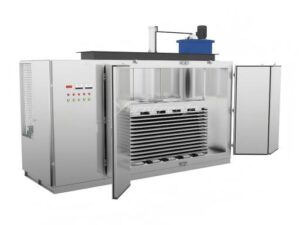
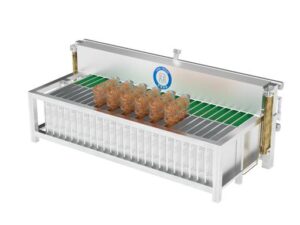
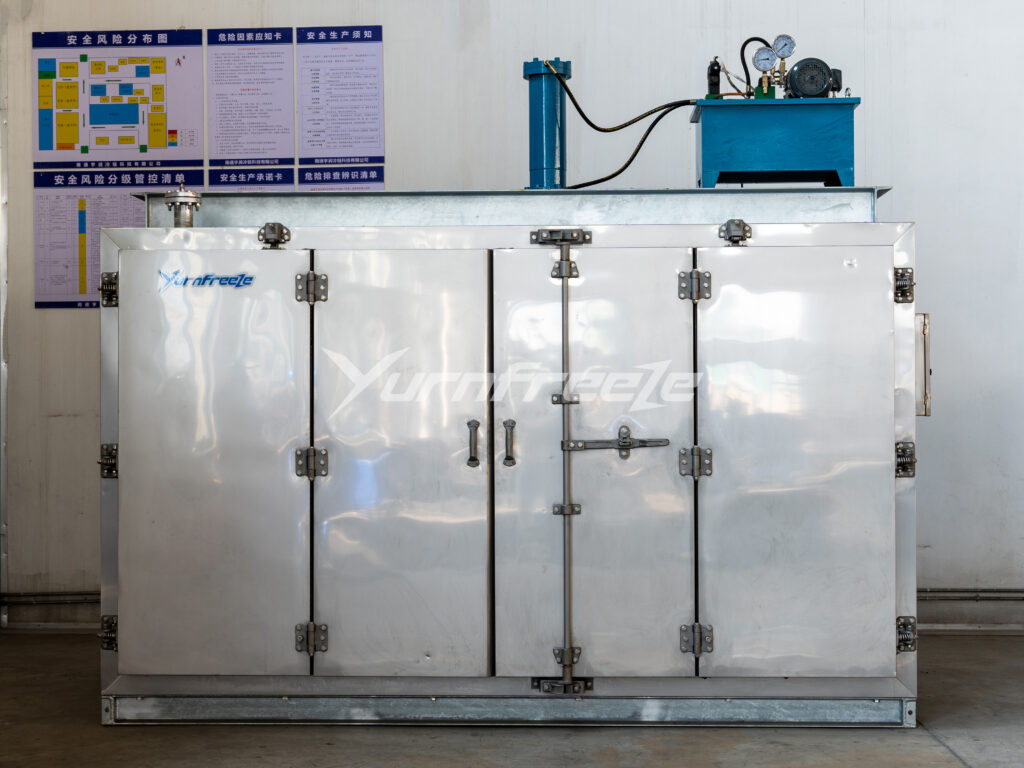
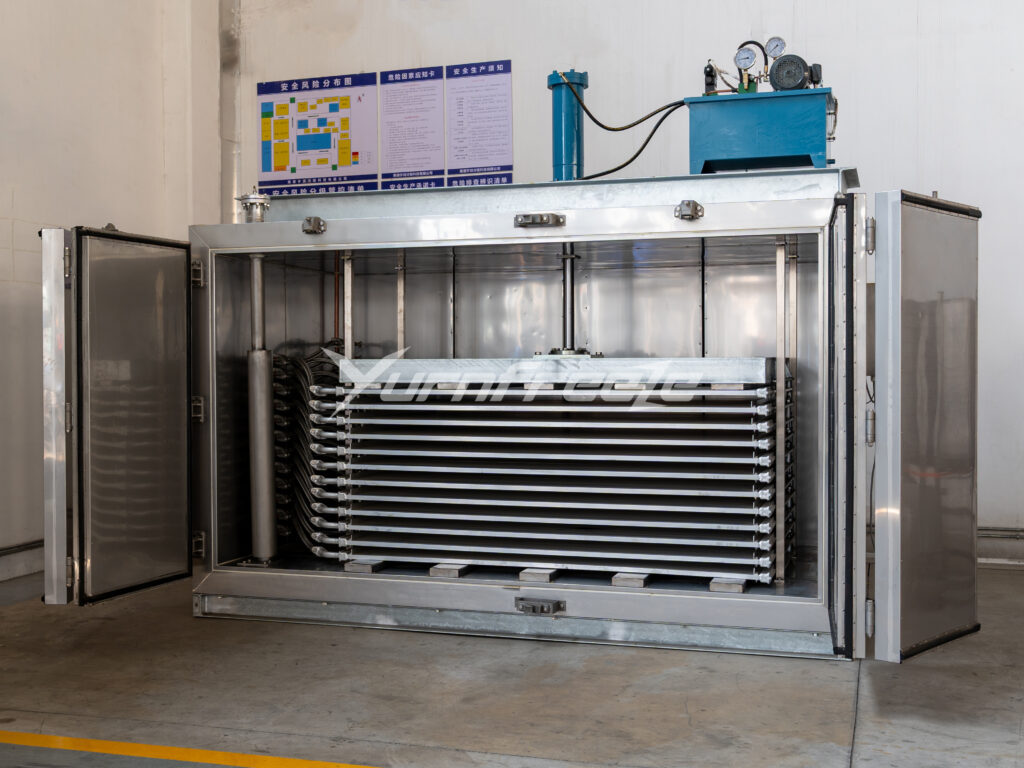
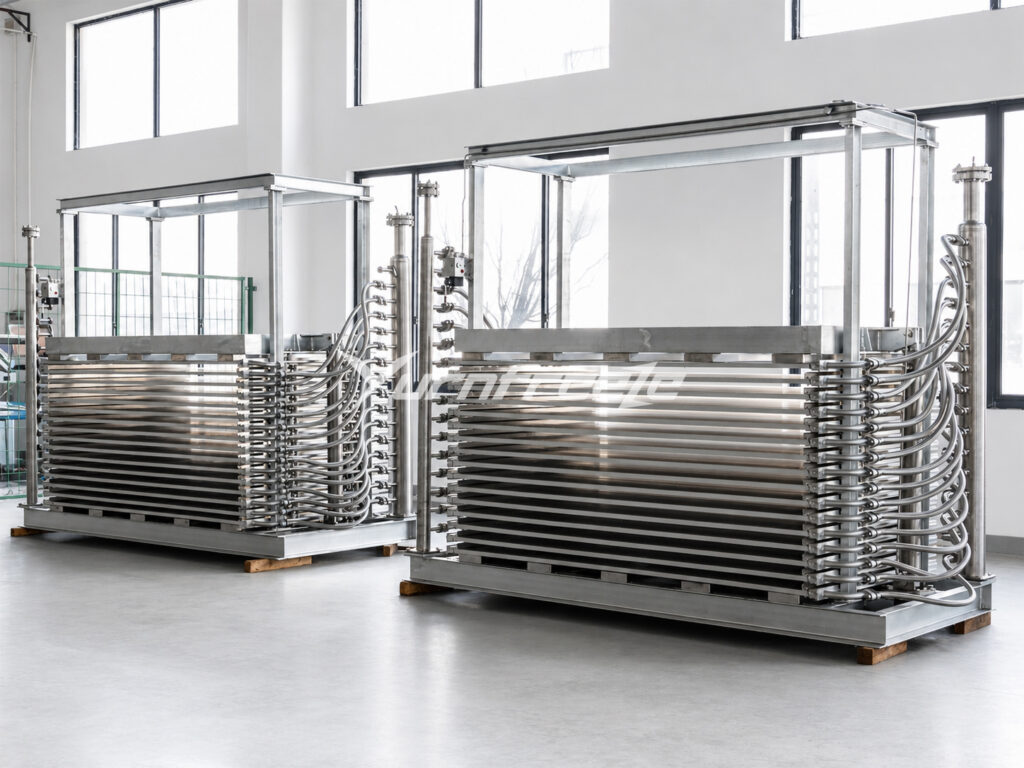
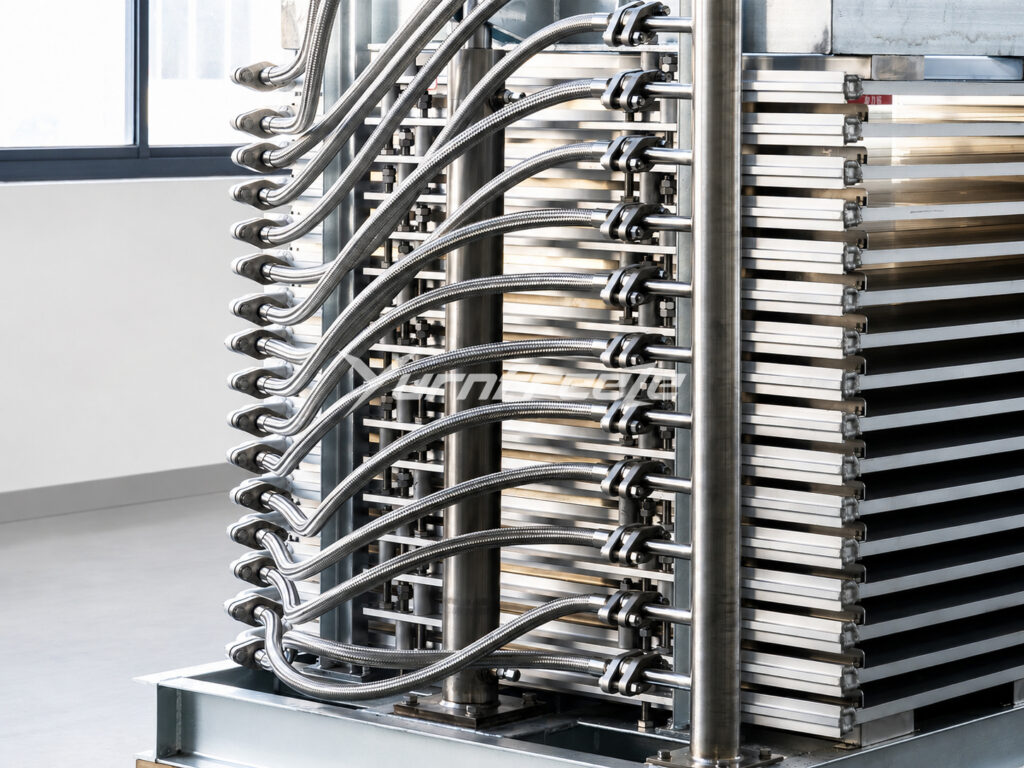
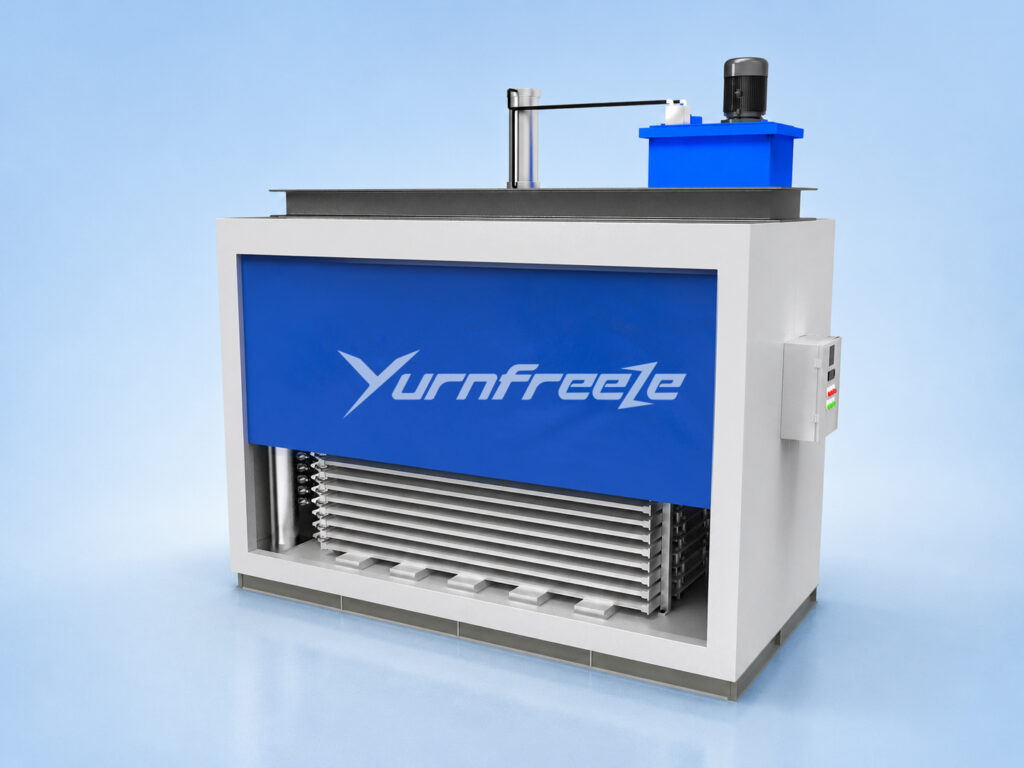
(1)Horizontal Plate Freezer
Recommended Applications:Ideal for tray-frozen seafood, frozen beef and lamb blocks, formed meat patties, packaged prepared meals, and most tray-loaded block products.
Key Advantages:The most mature and widely adopted plate freezer solution, offering outstanding cost performance. Its hydraulic double-sided contact freezing ensures uniform block shape, making products easier to handle during automatic packaging and precision slicing.
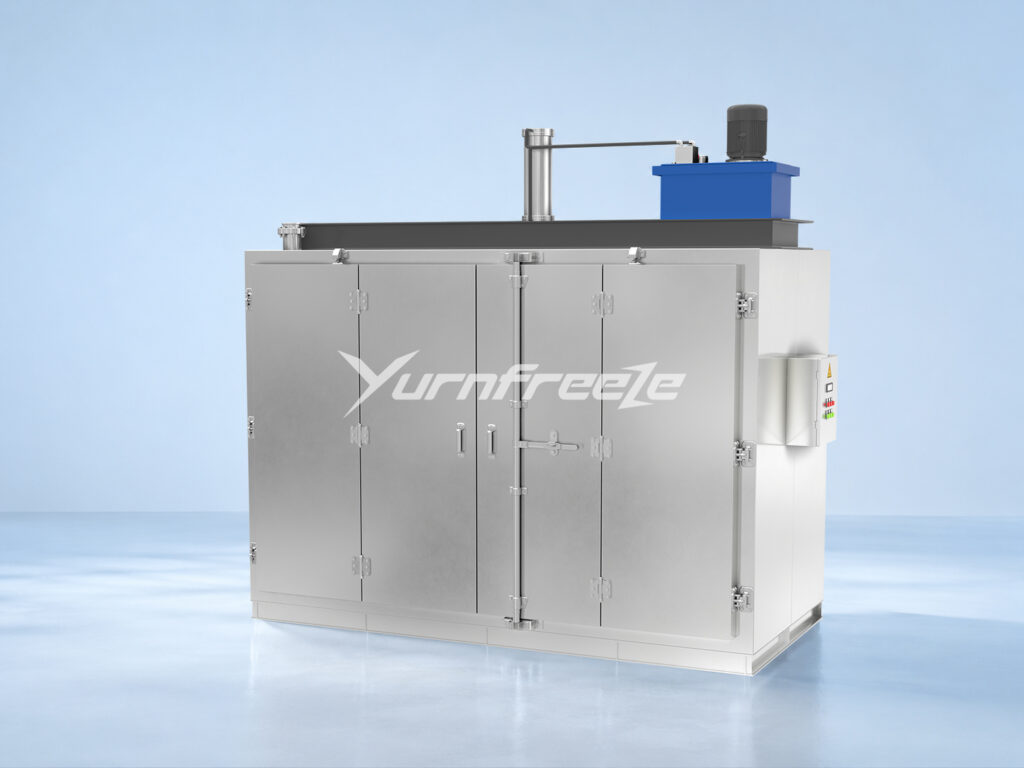
(2)Roll-up Door Plate Freezer
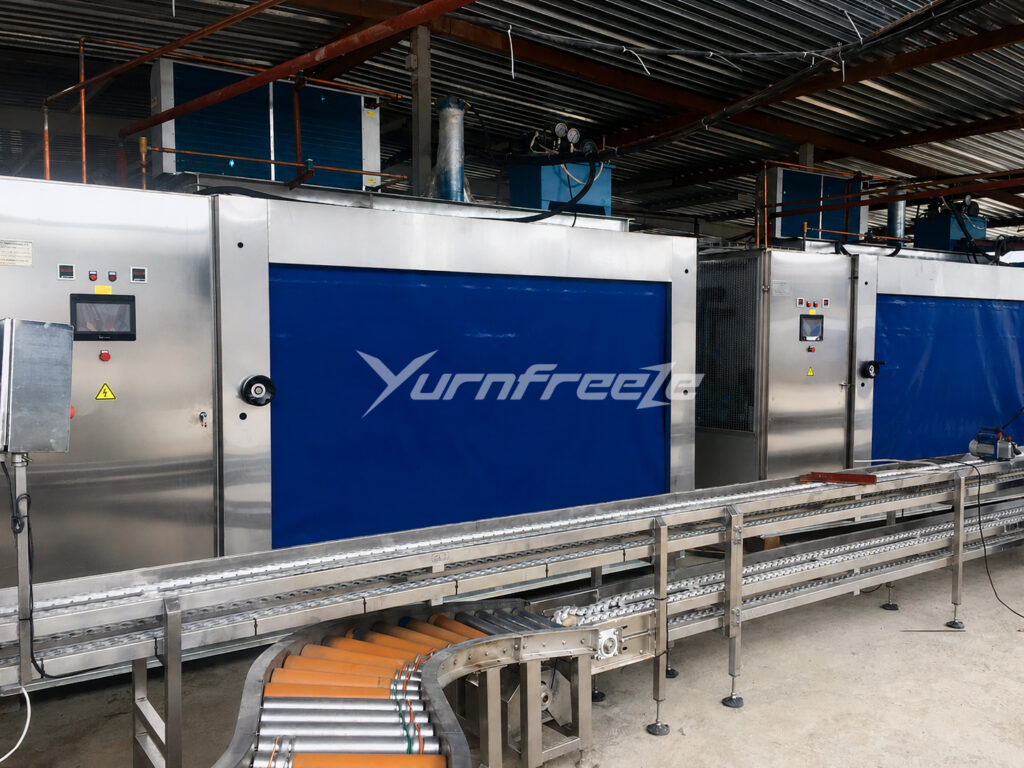
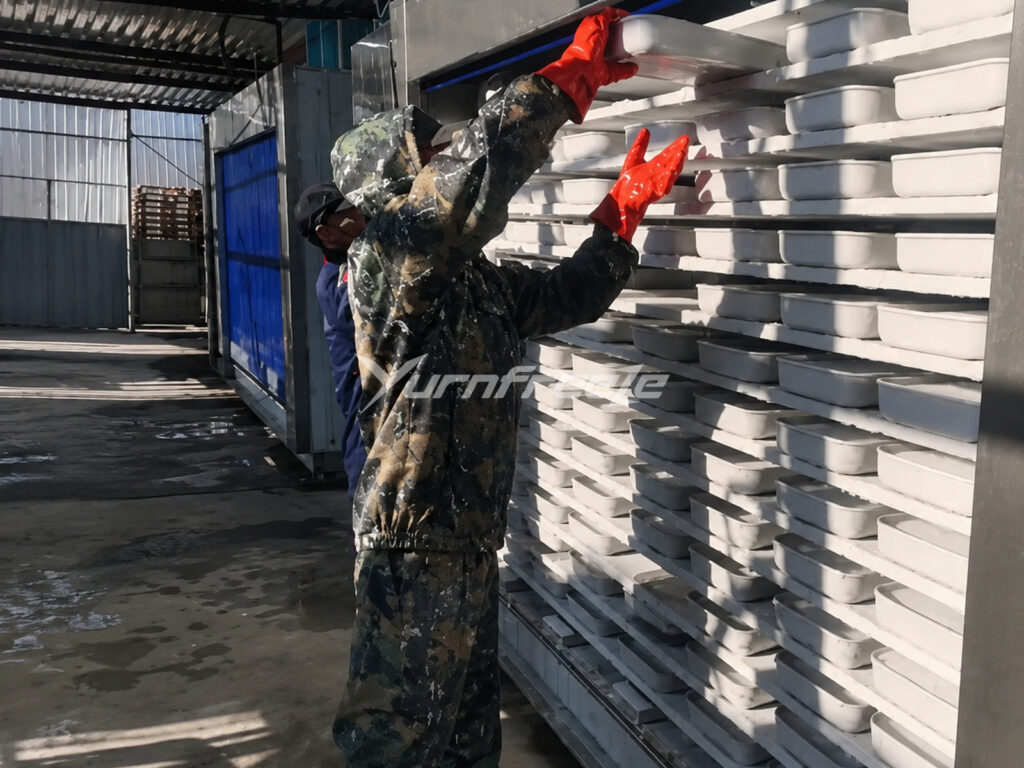
Recommended Applications:Designed for aquatic product precision processing workshops and large prepared-food central kitchens that handle extremely high daily batch volumes and demand stringent cleanliness standards.
Key Advantages:The high-speed motorized roll-up door minimizes cold air loss during loading and unloading, improving overall energy efficiency during continuous operation. With no side-opening door clearance, it integrates seamlessly with automated loading and unloading systems.
(3)Marine Horizontal Plate Freezer
Recommended Applications:Designed for ocean fishing vessels, coastal seafood processing ships, and offshore platforms where seafood must be frozen immediately after harvesting to preserve maximum freshness.
Core Advantages:The reinforced machine structure withstands continuous vessel movement and vibration. The entire unit is treated for superior resistance to salt spray corrosion, while the refrigeration system supports a wide operating voltage range to ensure reliable performance despite unstable onboard power supplies.
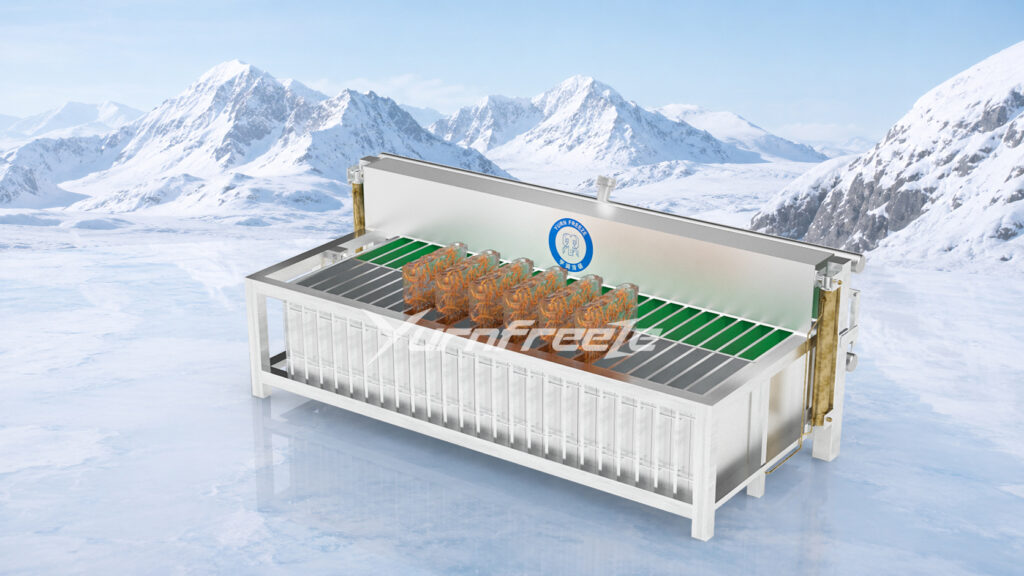
(4)Vertical Plate Freezer
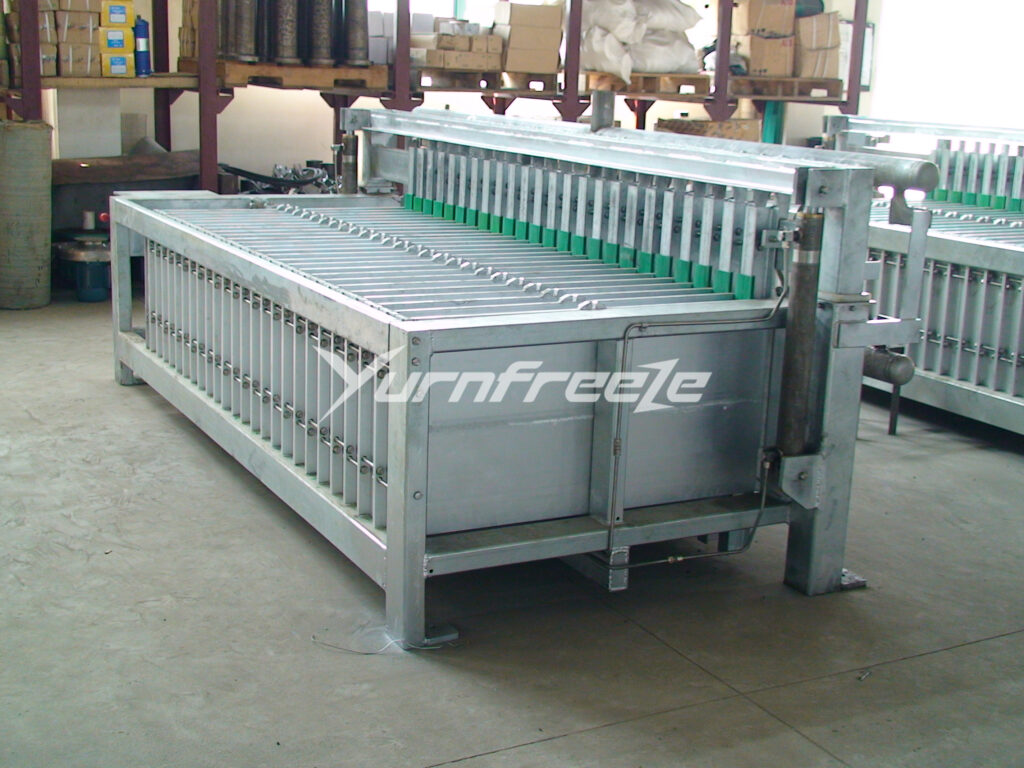
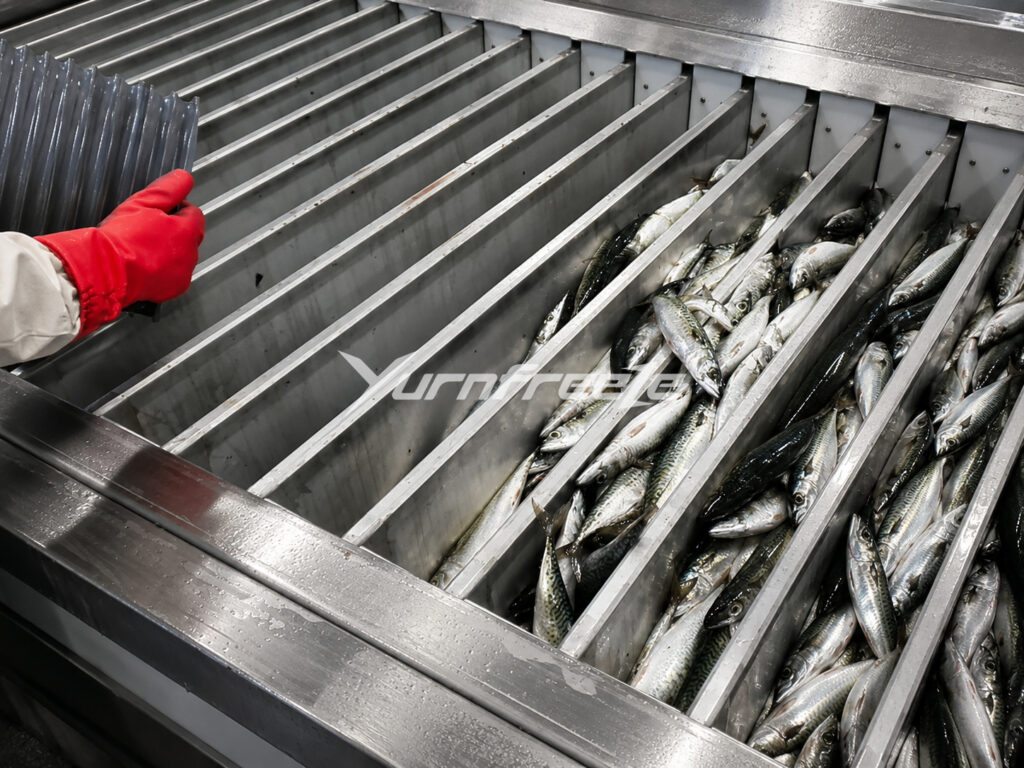
Recommended Applications:Ideal for forming frozen blocks of surimi, fruit puree, minced meat, seafood paste, animal by-products, and other liquid or semi-liquid bulk materials.
Key Advantages:No trays are required. Products are filled directly into vertically arranged aluminum alloy freezing molds, eliminating tray purchasing costs and cleaning labor. Compared with horizontal models, the vertical design reduces floor space requirements by approximately 30%.
3. Plate Freezer Quick Selection Guide
| Your Application | Recommended Model | Batch Capacity (Reference) | Key Benefits |
| High production turnover, hygienic workshops, or automated production lines | Roll-up Door Plate Freezer | 500–2,000 kg/batch | Extremely low cold air loss during door operation, up to 20% higher loading and unloading efficiency, and no side-door clearance, making it ideal for automated handling systems. |
| General production of block products, tray-frozen seafood, and frozen meat | Horizontal Plate Freezer | 420–2,288 kg/batch | The most versatile and cost-effective solution, featuring proven technology and outstanding long-term reliability. |
| Ocean fishing vessels, offshore seafood processing ships, and high-salinity environments with continuous vessel movement | Marine Horizontal Plate Freezer | 200–1,000 kg/batch | Heavy-duty anti-vibration construction, excellent salt spray corrosion resistance, and immediate freezing after harvesting to preserve freshness. |
| Liquid or semi-liquid materials, minced meat, animal by-products, and facilities with limited floor space | Vertical Plate Freezer | 300–1,500 kg/batch | No trays required. Produces dense frozen blocks with minimal voids while reducing floor space requirements by approximately 30%. |
4. Plate Freezer Selection FAQs
Q1. How do I choose between a Horizontal Plate Freezer(SUS304 Door) and a Roll-up Door Plate Freezer?
Answer
If your factory operates with standard batch production and has a defined equipment budget, the Horizontal Plate Freezer(SUS304 Door) is the preferred choice. It offers the broadest application range and the fastest return on investment.
If your production line runs multiple batches every day, prioritizes maximum energy efficiency, or plans to integrate robotic loading and unloading systems in the future, the Roll-up Door Plate Freezer is the better option.
Q2. Which products require a Vertical Plate Freezer?
Answer
Products such as surimi, fruit puree, minced meat, seafood paste, animal by-products, and other liquid or semi-liquid materials that need to be frozen into uniform blocks are best processed with a Vertical Plate Freezer.
Its vertical filling design completely eliminates the need for trays, reducing both equipment investment and labor costs.
Q3. Can a Plate Freezer be used for Individual Quick Freezing (IQF) products?
Answer
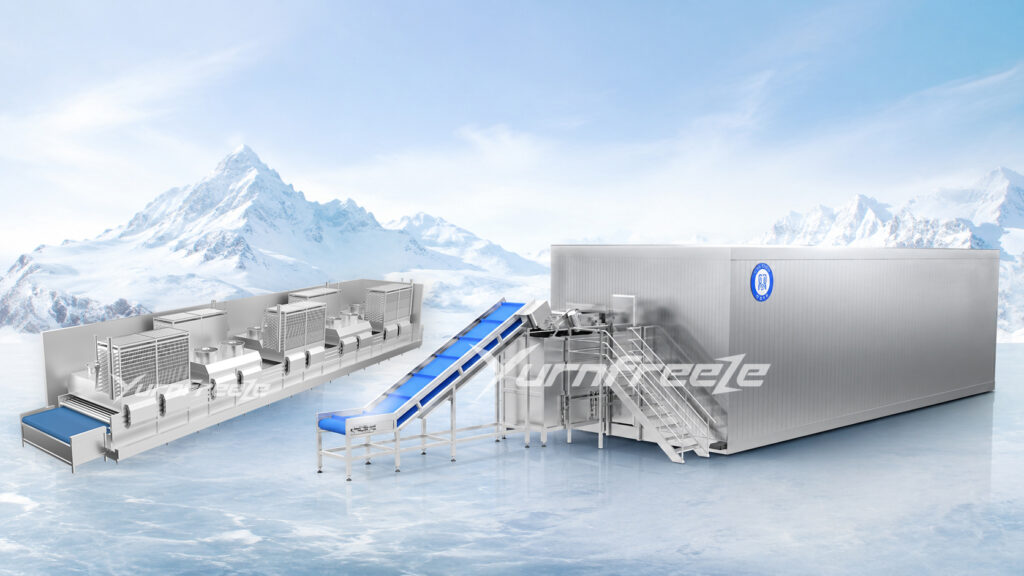
No.Plate freezers operate using contact heat transfer, making them suitable only for block products or tray-loaded products.
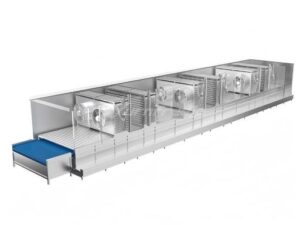
If you need to freeze individually separated products such as peeled shrimp, meatballs, berries, vegetables, or diced fruit, you should choose an IQF Fluidized Bed Freezer or an Impingement Tunnel Freezer instead.

Q4. What is the typical service life of a high-quality Plate Freezer?
Answer
With proper operation and routine maintenance, a high-quality plate freezer manufactured from food-grade SUS304 stainless steel typically provides a service life of 15–30 years.
Conclusion
Choosing the right plate freezer starts with evaluating the seven key selection criteria, followed by selecting the most suitable model according to your product type and production process.