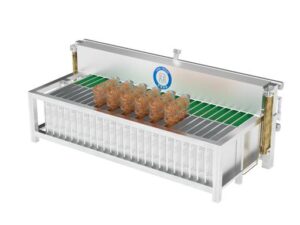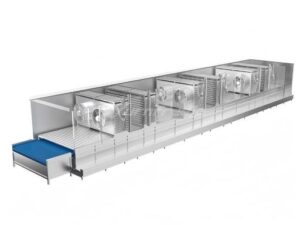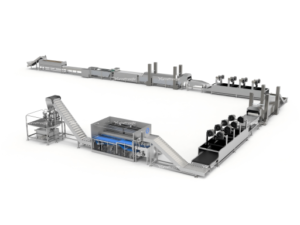


Food freezing temperature varies depending on the product category, moisture content, and freezing method. Most seafood, meat, bakery products, vegetables, and prepared foods are quick frozen between −30°C and −35°C, while the recommended final core temperature is −18°C. Choosing the correct freezing temperature and process helps preserve texture, reduce drip loss, and improve product quality.
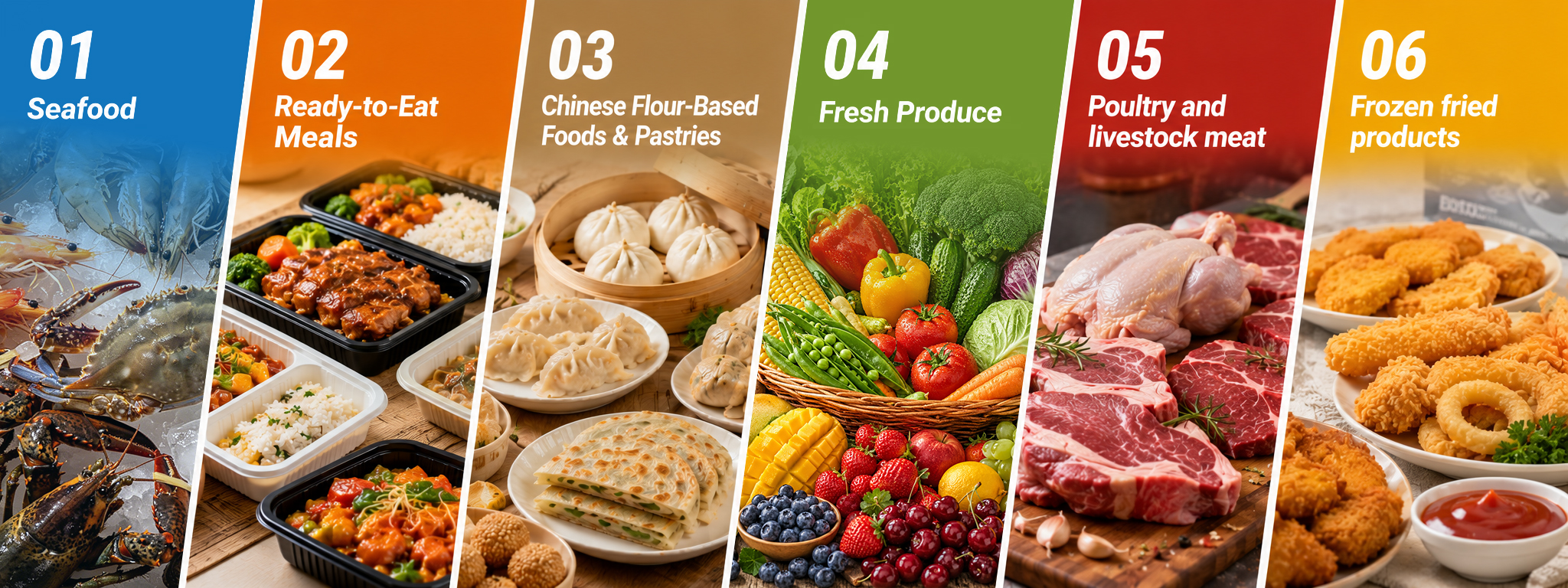
A quick overview of freezing temperatures across food categories:
| Food Category | Recommended Freezing Temperature | Typical Air Velocity(meter/second) | Target Core Temperature |
| Seafood | -30℃~-35℃ | High-velocity forced convection(≥6m/s) | -18℃ |
| Ready-to-Eat Meals | -30℃~-32℃ | 3~6m/s | -18℃ |
| Chinese Flour-Based Foods & Pastries | -30℃~-35℃ | 2~6m/s | -18℃ |
| Fresh Produce | -30℃~-32℃ | 3~10m/s | -18℃ |
| Poultry and livestock meat | -30℃~-35℃ | 3~6m/s | -18℃ |
| Frozen fried products | -30℃~-35℃ | 2~4m/s | -18℃ |
These are common reference ranges. Actual parameters should be verified based on product thickness, moisture content, tray arrangement, air velocity, and the heat-transfer capacity of the equipment.
Detailed Freezing Temperature and Craft Specifications for Six Core Food Categories
1. Freezing temperature and process for seafood
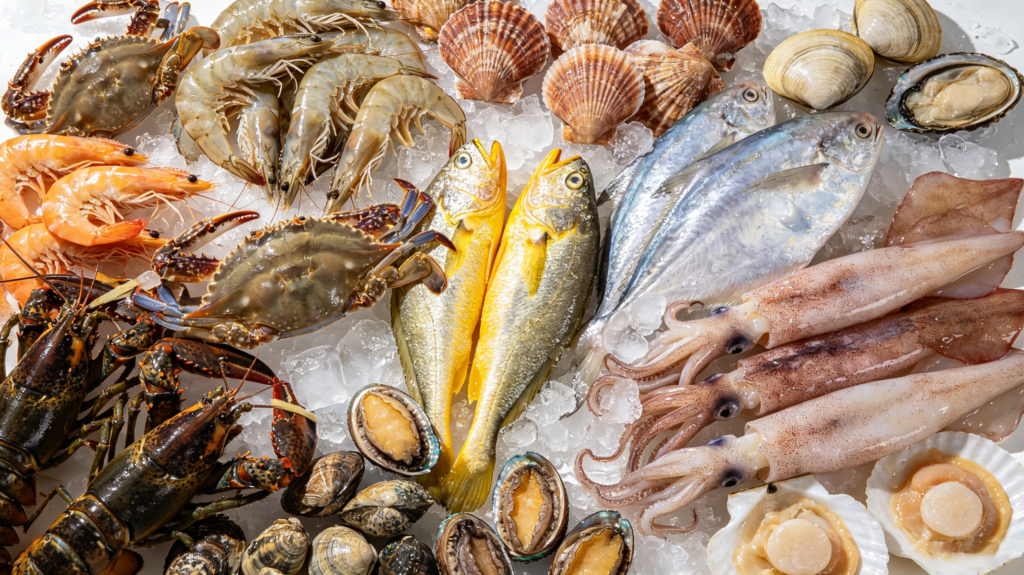
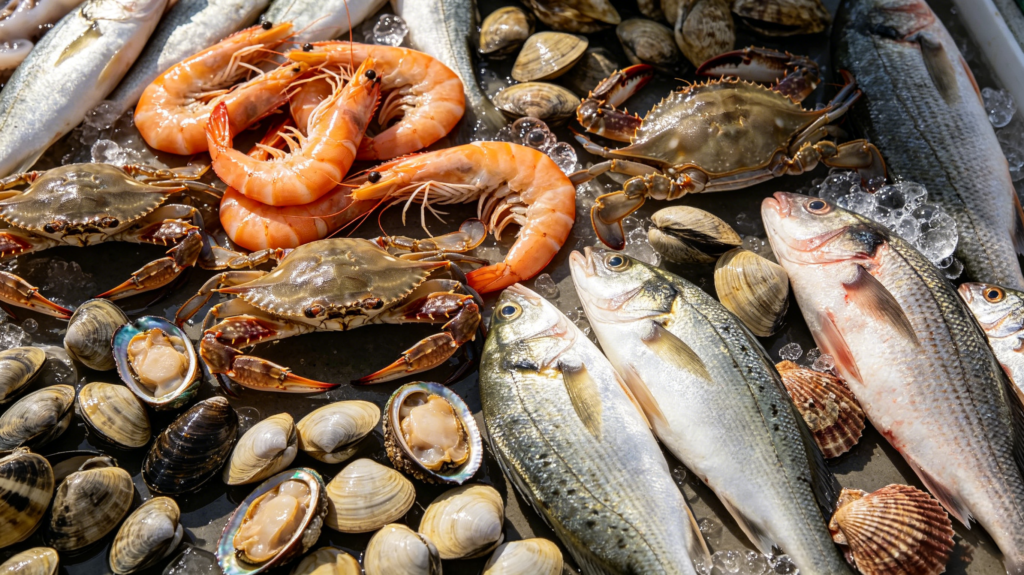
The optimal freezing temperature for seafood is -30°C to -35°C. High-value deep-sea seafood intended for raw consumption generally requires stricter low-temperature control, while small shallow-water seafood is typically frozen at -30°C to -32°C.
Recommended process
- Live seafood should first be acclimatized in temperature-controlled holding tanks, then pre-cooled in 0°C to 4°C ice water until the core temperature reaches 0°C to 2°C.
- Drain surface water completely and arrange products in a single layer to avoid stacking.
- For shrimp, crayfish, crab, and other products prone to blackening, a brief blanching or enzyme-inactivation treatment may be applied depending on size and specifications.
- After blanching, immediately cool in an ice-water bath and drain.
- Blanching is strictly prohibited for raw-eating seafood.
- Use high-air-speed forced-air freezing to rapidly pass through the critical maximum ice crystal formation zone (-1°C to -5°C).
- After freezing, a protective ice glazing step may be applied after freezing and before packaging.
Common issues
- Excessive drip loss after thawing
- Dry or tough texture
- Loss of freshness
- Product sticking together
Key control point
Seafood is extremely susceptible to quality degradation from slow freezing. Slow freezing creates larger ice crystals, which damage cell structure and lead to obvious drip loss and a loose texture after thawing. High-value seafood is best processed using IQF (Individually Quick Frozen) technology, which improves separation and supports downstream packaging and sales.
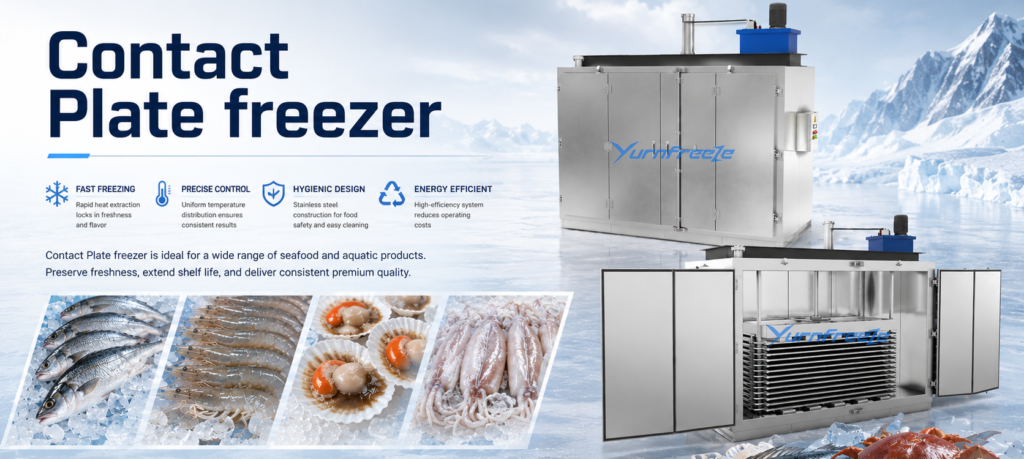
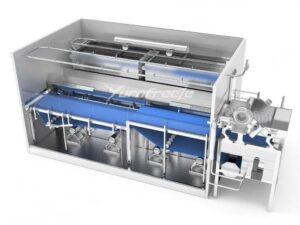
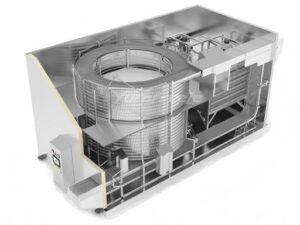
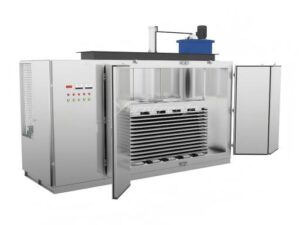
Recommended Equipment:IQF seafood products are best frozen with Yurnfreeze Fluidized Bed Freezers. Battered and prepared seafood products are ideal for Yurnfreeze Spiral Freezers. Whole fish and large seafood products are best processed with Yurnfreeze Plate Freezers or Tunnel Freezers.
2. Freezing temperature and process for ready-to-eat meals/items
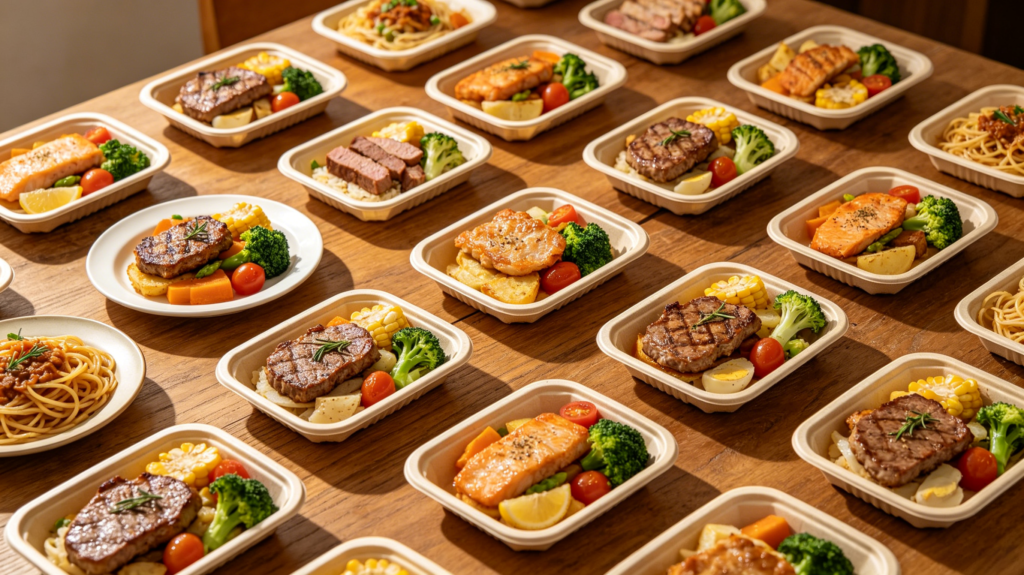
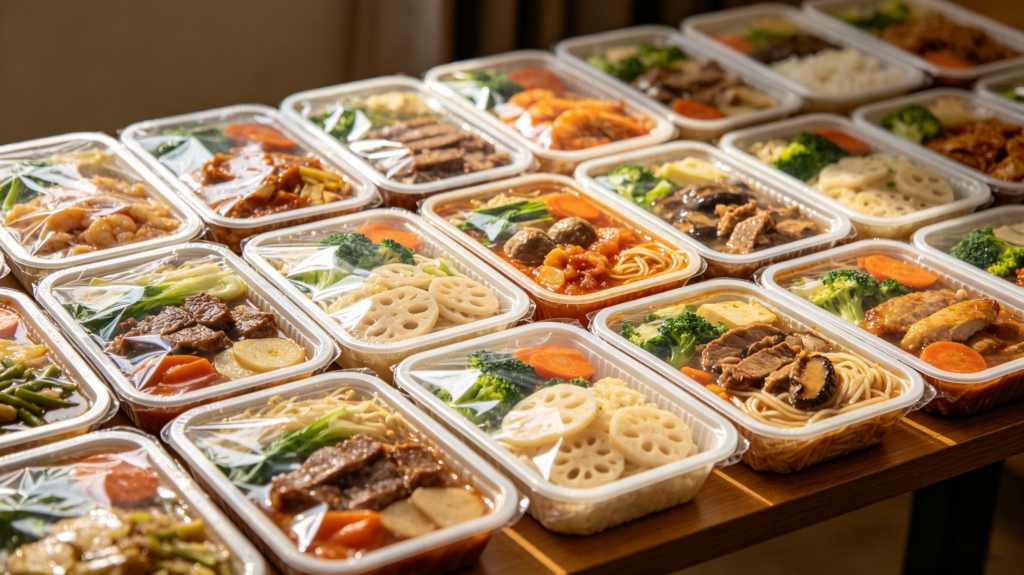
The optimal freezing temperature for ready-to-eat meals/items is -30°C to -32°C. For sauce-based or high-fat ready-to-eat meals, -35°C to -38°C is recommended. For pure meat-based prepared items, -30°C to -32°C is suitable.
Recommended process
- After cooking, implement the mandatory two-stage cooling process: cool to 21°C or lower within 2 hours, then cool to 5°C or lower within an additional 4 hours before entering the freezing stage.
- For sauce-based products, packaging must include sufficient expansion headspace to prevent box rupture or package swelling during freezing.
- Arrange items neatly in a single layer without stacking.
- Product thickness should ideally be kept within 10 cm.
- Maintain uniform circulating air velocity at 3–6 m/s.
- Ensure the temperature difference between the top and bottom product layers does not exceed 2℃.
- The product is considered frozen once the core temperature reaches -18°C.
Common issues
- Loss of sauce
- Dry or tough texture after reheating
- Frozen exterior with unfrozen interior
- Box rupture in packaged products
Key control point
The most important issue with ready-to-eat meals/items is preventing uneven freezing. If sauce-based products enter the freezer at too high a temperature, the outer layer may freeze first while the inner part continues expanding, which can cause package rupture or layer separation in texture. Stability depends on “cool first, then freeze, with uniform temperature control.”
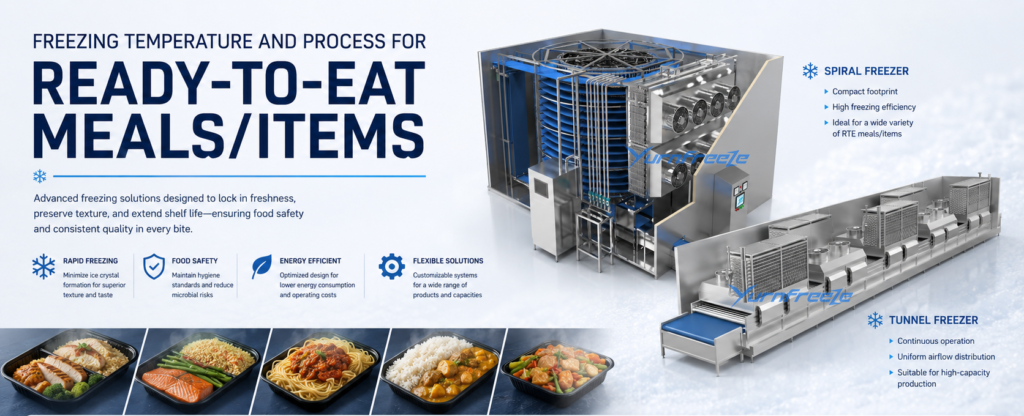
Recommended Equipment:Boxed ready meals with sauces are best frozen using Yurnfreeze Spiral Freezers, while large-sized prepared dishes are ideal for Yurnfreeze Tunnel Freezers.
3. Freezing temperature and process for Chinese Flour-Based Foods & Pastries
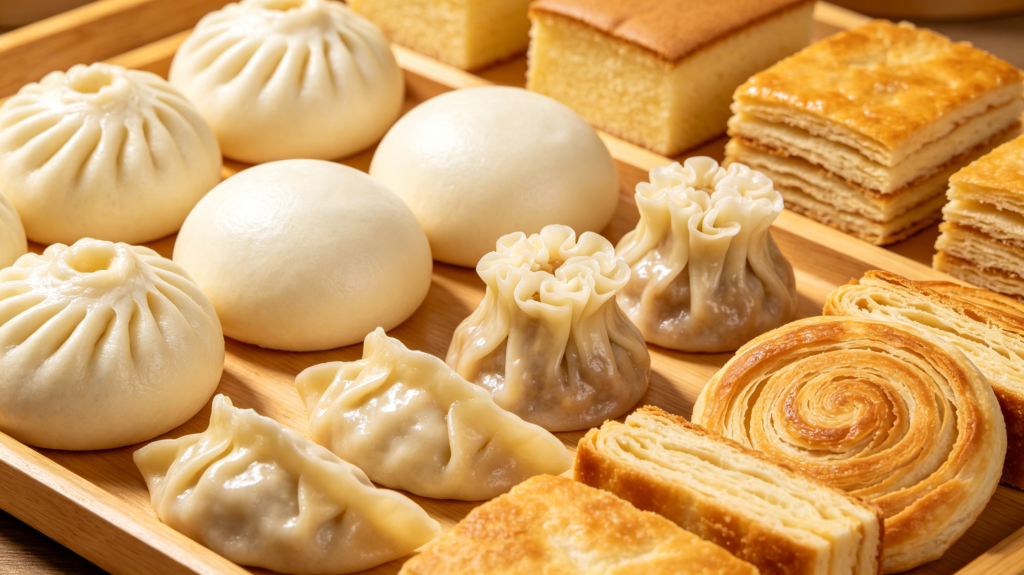
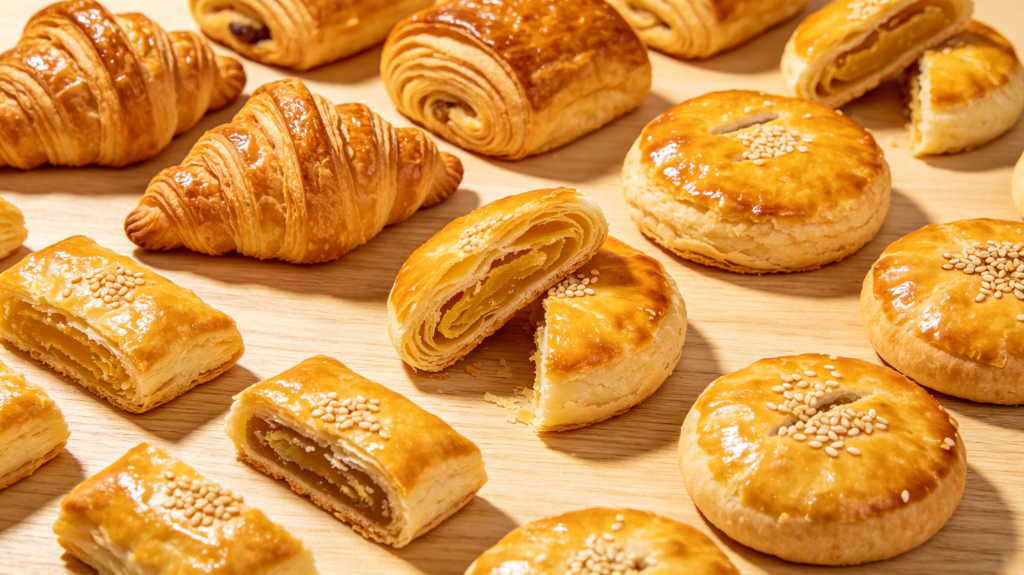
The optimal freezing temperature for Chinese Flour-Based Foods & Pastries is -30°C to -35°C. Products such as buns, steamed bread, dumplings, siu mai, pastries, and cake layers fall within this range. Laminated pastry products usually require even lower temperatures and faster freezing speeds.
Recommended process
- For raw dough products, proof moderately after shaping; do not over-proof.
- Arrange products in a single, evenly spaced layer.
- The surface must not have free water.
- Cooked products should be fully cooled before entering the freezing process.
- The surface must not have condensation.
- Raw dough products require staged gradual freezing throughout the entire process.
- Under normal equipment conditions, the recommended air velocity for laminated pastry products is 2–3 m/s.
- Under normal equipment conditions, the recommended air velocity for cooked bakery products is 3–6 m/s.
- After freezing, the core temperature should reach -18°C.
- Minimize the temperature gradient between the surface and core to prevent crust cracking, collapse, or incomplete freezing of the filling.
Common issues
- Cracking of the crust or surface
- Dehydration and shrinkage
- Poor reheated texture
- Delamination and collapse of pastry layers
Key control point
Chinese flour-based foods & pastries are most vulnerable to two issues: over-proofing and surface moisture. Over-proofing causes deformation after freezing, while surface moisture can lead to cracking or sticking. Freezing is not only about low temperature; it must also be matched with appropriate air velocity to prevent excessive drying of the dough skin.
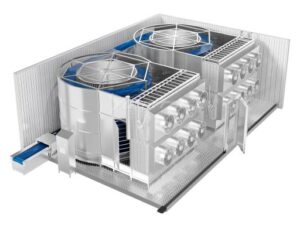
Recommended Equipment:For regular flour-based products, Yurnfreeze Double Spiral Freezers are recommended.
4. Freezing temperature and process for Fresh Produce
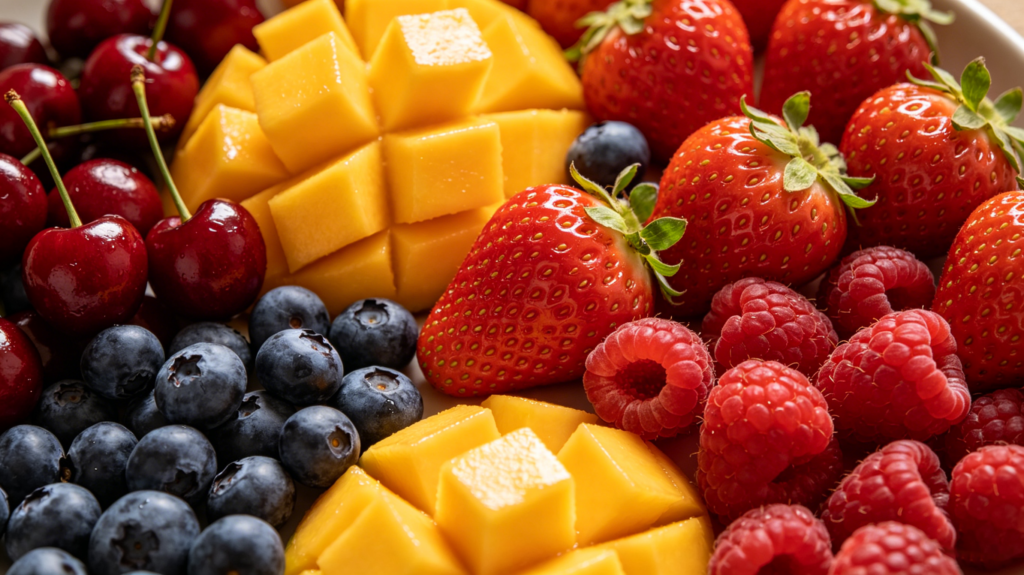
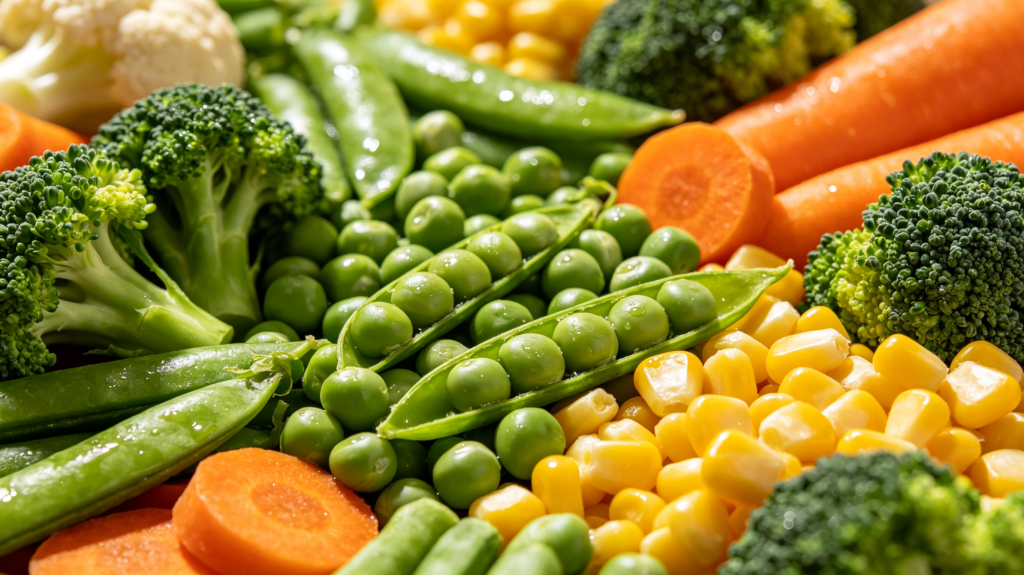
The optimal freezing temperature for fresh fruits and vegetables is -30°C to -32°C. For regular fruits and vegetables, -30°C to -32°C is suitable. For berries and delicate soft fruits/vegetables, -35°C to -40°C is recommended.
Recommended process
- Leafy vegetables, root vegetables, and mushrooms should be washed and cut into suitable sizes first.
- Leafy vegetables, root vegetables, and mushrooms should undergo blanching for enzyme inactivation based on category and size.
- After blanching, immediately cool in 0°C to 4°C ice water.
- Drain surface water thoroughly.
- Varieties susceptible to enzymatic browning may receive anti-browning treatment.
- Berries must be carefully selected to ensure they are intact and undamaged, washed gently, and completely air-dried.
- Berries must never be blanched and must never be compressed.
- Berries and leafy greens are ideal for fluidized-bed IQF processing, which helps reduce sticking and maintain product integrity.
- After freezing, the core temperature should reach -18°C.
Common issues
- Discoloration
- Softening or mushy texture
- Excess juice loss after thawing
- Nutrient loss
- Insufficient freezing rate
Key control point
For produce, the key is not just “the faster the freezing, the better”. The process must first include enzyme inactivation, color protection, and pre-cooling before entering the quick-freezing stage. Berries in particular must remain intact, dry, and uncompressed to reduce ice-crystal damage and skin injury.
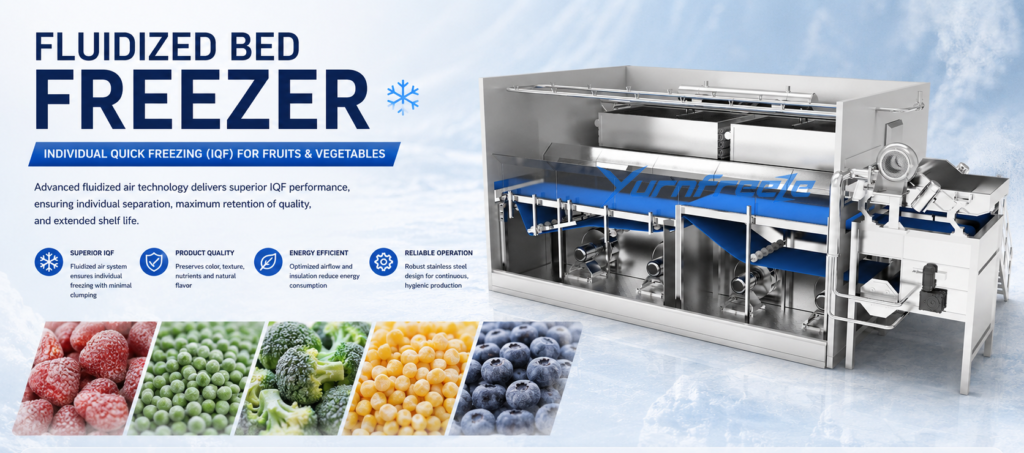
Recommended Equipment:For berries and diced fruits & vegetables, Yurnfreeze Fluidized Bed Freezers are recommended.
5. Freezing temperature and process for poultry and livestock meat
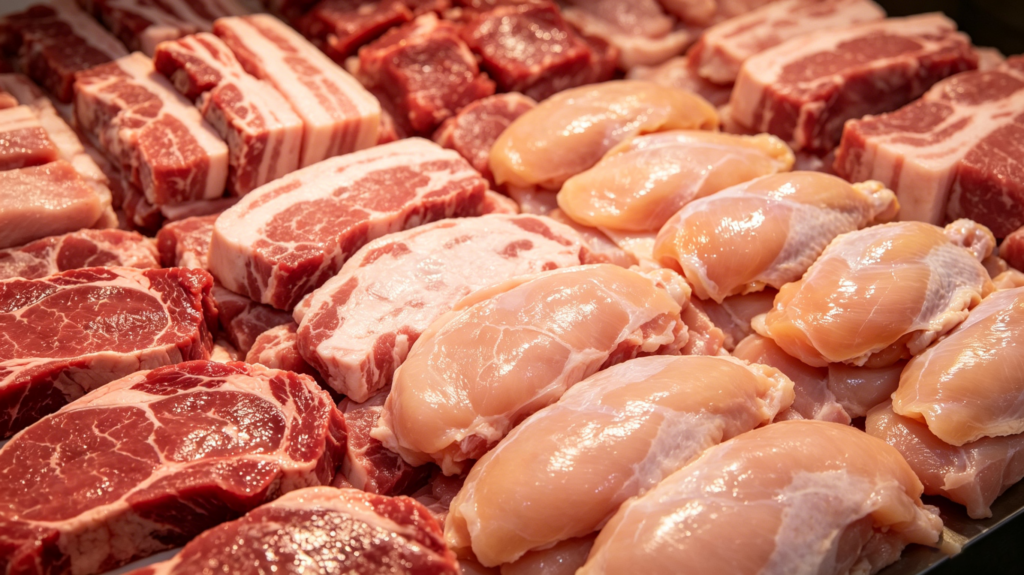
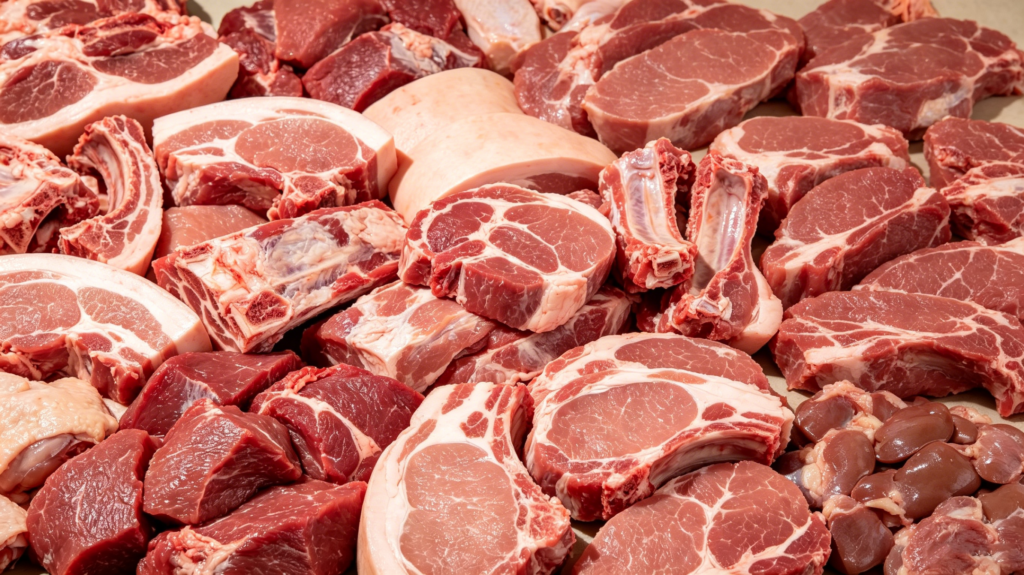
The optimal freezing temperature for poultry and livestock meat is -30°C to -35°C. For standard cut meat, -30°C to -35°C is suitable. For aged and portioned pork, beef, and lamb cuts, -35°C to -40°C is recommended. For poultry cuts, -32°C to -35°C is suitable.
Recommended process
- After slaughter, perform mandatory post-mortem aging and pre-chilling at 0°C to 4°C. The exact duration should be determined according to the meat type, cutting method, and production line rhythm.
- Portion thickness should not exceed 10 cm, with 5–7 cm being the optimal range.
- Pre-cool in ice water until the core temperature reaches 0°C to 4°C.
- Avoid stacking.
- Use uniform air velocity freezing at cryogenic temperatures.
- Control air velocity at 3–6 m/s.
- Freeze until the core temperature reaches -18°C.
Common issues
- Excessive purge loss after thawing
- Meat quality deterioration
- Short shelf life
- Incomplete freezing at the center
- Excessive freezer burn
Key control point
For meat, the most important factors are post-mortem aging, thickness, and freezing speed. If post-mortem aging is inadequate, no subsequent low-temperature treatment can compensate. If the cuts are too thick, freezing speed will be insufficient and the center will be prone to problems. Thick cuts must be frozen in batches rather than relying solely on production speed.
Recommended Equipment:For whole poultry and high-volume meat products, Yurnfreeze Spiral Freezers or Tunnel Freezers are recommended.
6. Freezing temperature and process for Frozen Fried Products
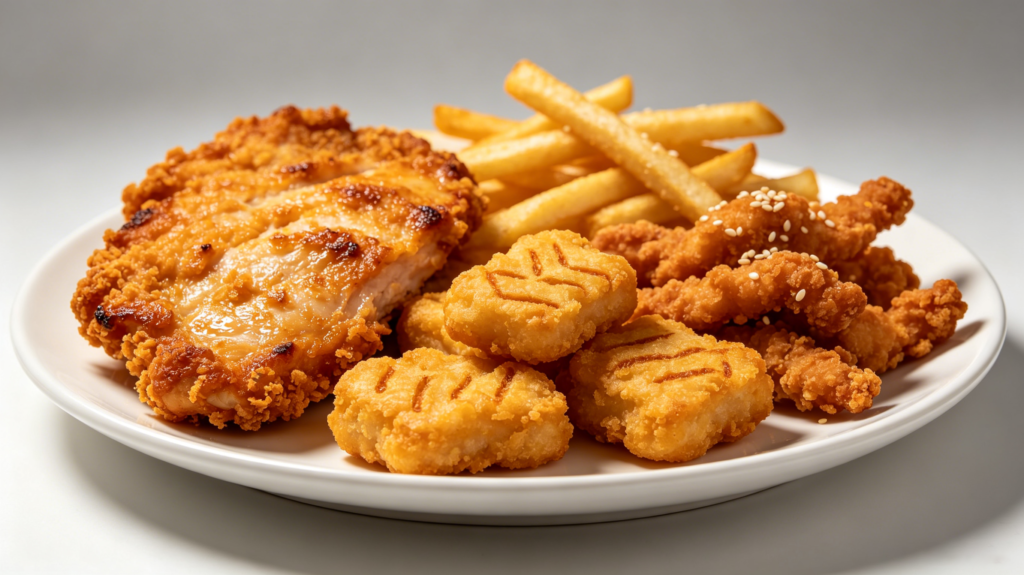
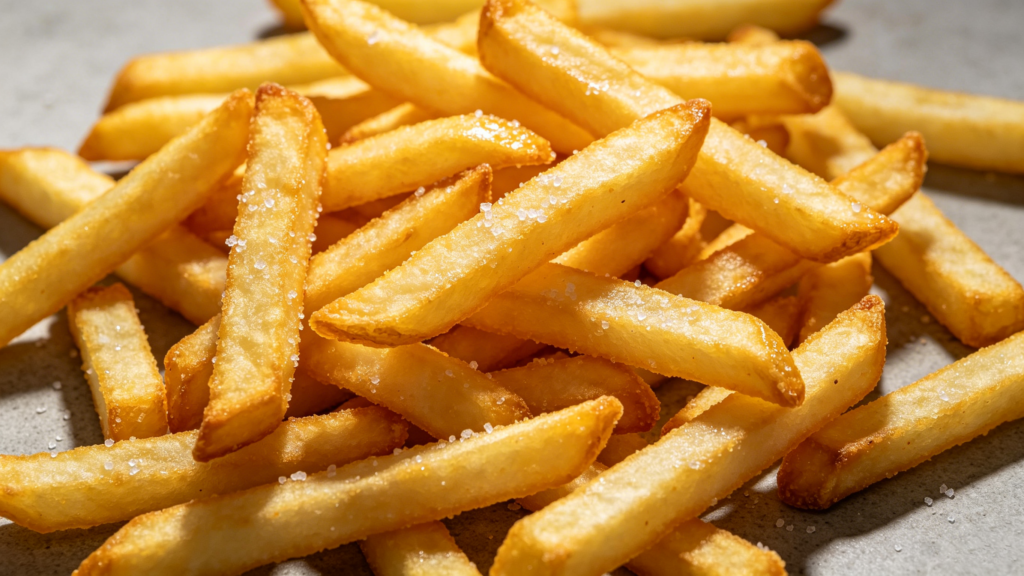
The optimal freezing temperature for fried frozen products is -30°C to -35°C. This category includes chicken cutlets, chicken pieces, crispy pork strips, crispy snacks, and fried pastries.
Recommended process
- After frying, quickly complete oil draining and pre-cooling, then proceed to freezing to prevent oil exudation and oxidation at elevated temperatures.
- Use gentle air velocity freezing.
- Arrange products evenly on the belt or tray to avoid compression.
- Control air velocity at 2–4 m/s.
- The core temperature should reach -18°C.
Common issues
- Product sticking
- Deformation
- Excessive oil absorption during reheating
- Poor crispness
Key control point
The main goals for fried products are oil retention and shape preservation. Insufficient freezing rate accelerates oil oxidation and migration, which makes the product greasy and soft after reheating or refrying.
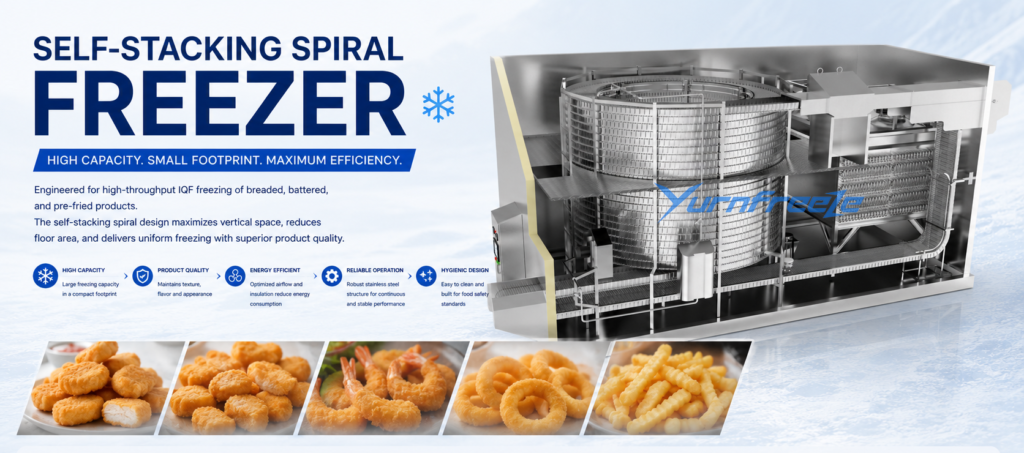
Recommended Equipment:For fried chicken, crispy pork, popcorn chicken, and other fried products, Yurnfreeze Self-Stacking Spiral Freezers are recommended.
Common principles for quick-freezing processes
Regardless of the food category, three non-negotiable principles apply to all quick-freezing processes:
1.Pre-cool first, then freeze
Never place warm/hot products directly into the freezer.
2.Arrange in a single layer and avoid stacking
Stacking blocks air circulation and results in uneven freezing.
3.Pass quickly through the maximum ice-crystal formation zone
This is the key factor affecting texture, drip loss, and final product yield.
Frequently asked questions
1. What Core Temperature Is Required for Complete Quick Freezing of Food?
A core temperature of -18°C is commonly used as the end point for quick-freezing completion. At the same time, the freezing process should pass through the maximum ice-crystal formation zone as quickly as possible to reduce tissue damage and preserve product quality.
2. Why Is Rapid Freezing Critical for Food Quality?
Because slow freezing forms larger ice crystals, which damage cell structure and lead to drip loss, discoloration, and poorer texture after thawing.
3. What is the difference between IQF and conventional freezing?
IQF means Individually Quick Frozen. It reduces product sticking and is more suitable for granular, diced, or sliced foods.
4. Why do fruits and vegetables need blanching before freezing?
Proper blanching inactivates enzymes. Without it, enzymes can continue causing off-flavors, browning, color deterioration, and losses of vitamins A and C during frozen storage.
5. Why must products be cooled quickly after blanching?
Because residual heat continues to affect quality and can make later freezing uneven. The faster the cooling, the better the color, texture, and freezing result.
6. Why Must Ready-to-Eat Meals Be Cooled Before Freezing?
FDA cooling principles require cooked food to be cooled quickly before reaching safe cold-storage temperatures. This minimizes exposure to the temperature danger zone and lowers both safety and quality risks. Putting hot food directly into a freezer causes uneven freezing, sauce expansion, package rupture, and layer separation in texture.
7. Why do bakery products crack easily?
This is usually related to over-proofing, surface moisture, excessive air velocity, or uneven freezing.
8. Why Does Frozen Meat Have Excessive Purge Loss When Thawed?
Common reasons include slow freezing, large ice crystals that damage the tissue, or inadequate raw material handling before freezing. The slower the freezing, the greater the drip loss after thawing.
9. Why Is Freezing Alone Not Sufficient to Ensure Seafood Safety?
Because the effectiveness of freezing depends on fish species, thickness, freezing time, frozen holding time, and parasite type. FDA guidance states that effectiveness must be evaluated under specific conditions and may require scientific verification.
10. What is the normal storage temperature for frozen food?
A common requirement is to keep frozen storage at -18°C or below, which better supports product quality and cold-chain stability.
11. Why Is It Critical to Minimize Dehydration and Oxidation in Frozen Seafood?
Because dehydration affects appearance and texture, while oxidation reduces flavor and overall quality. The Codex standard for quick-frozen fish requires minimizing dehydration and oxidation.
12. Why can’t freezing time be written as one universal standard?
Because freezing time depends on product thickness, moisture content, initial temperature, tray arrangement, air velocity, equipment heat-transfer capacity, and product type. For this reason, reference ranges are more appropriate than absolute values.
13. Why is rapid freezing important for fruits and vegetables, meat, and seafood?
Because rapid freezing produces smaller, more uniform ice crystals, which helps reduce cell damage and preserves texture, color, and structural integrity after thawing.
Note
These parameters are intended as process references only. Different products may behave differently depending on thickness, moisture content, initial temperature, tray arrangement, air velocity, and equipment heat-transfer conditions. The target core temperature endpoint referenced in this document aligns with the global -18°C standard for quick-frozen foods. Vegetable blanching and cooling protocols are based on USDA and FDA food safety and processing guidelines. Actual values should be verified on the production line. The data in this article were compiled with reference to the Codex Alimentarius, FDA food safety guidance, USDA food-processing technical materials, and common industry quick-freezing principles.